Why Corrugated Metal Keeps Showing Up on Real Jobs
News 2026-01-29
Flat sheet looks fine on paper. Then the first season hits and you get the calls – oil-canning on long runs, fasteners walking out, ponding at low spots, and lap leaks after freeze-thaw.
Corrugated metal reduces those failures. The profile adds stiffness, sheds water better, and handles normal movement so the install holds up.
What Corrugated Metal Really Is
Corrugated metal is a sheet formed into repeating ridges and valleys. That geometry increases stiffness without forcing you to jump straight to heavier gauge.
The takeaway – the profile helps a lot, but detailing still decides whether the job stays straight and dry.
More Stiffness Without Jumping Up Gauge
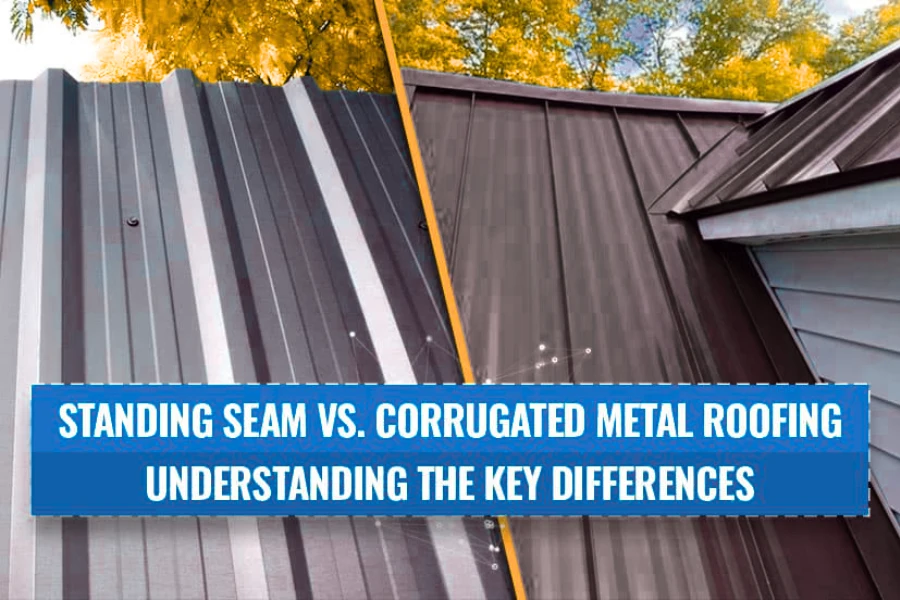
corrugated metal vs flat metal sheet stiffness comparison
Long spans punish flat sheet – it flexes, the line waves, and fasteners take extra stress.
Corrugation adds depth to the sheet, so it resists bending under wind, snow, and foot traffic.
Practical takeaway
-
Try a deeper profile before you spec thicker gauge.
-
Match span and support spacing to the panel.
Lighter Sheets, Faster Handling
Weight turns into labor. Heavy panels slow lifts and layout.
Corrugated metal delivers stiffness without heavy thickness, so crews position and fasten faster. Lower dead load also helps the structure.
Practical takeaway
-
Faster handling cuts install time.
-
Still match gauge to abuse level and exposure.
Runoff Paths That Cut Leaks and Ponding
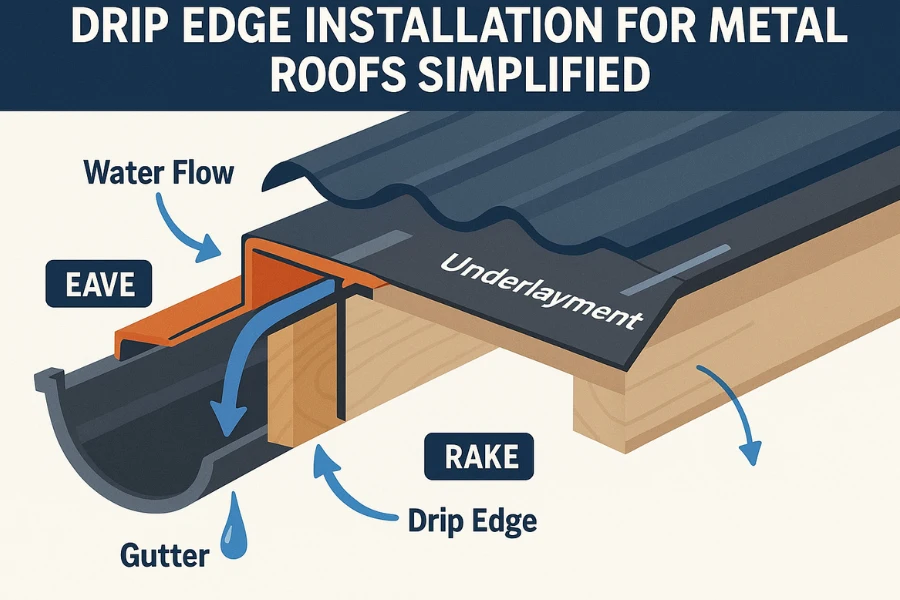
corrugated metal roofing water runoff during rain
Most leaks start with water sitting where it shouldn’t – ponding, backed-up laps, and debris holding moisture.
Corrugation creates runoff channels that move water faster and reduce debris hang-up.
Practical takeaway
-
Corrugation helps, but slope and lap direction still matter.
-
On low-slope roofs, laps and fasteners decide the outcome.
Handles Heat Cycles and Building Movement
Metal expands and contracts. Buildings settle. When stress concentrates, you see ripples, noisy pops, and lap movement that turns into leaks.
Corrugated profiles spread stress better than wide flat sheet, which reduces distortion over long runs.
Practical takeaway
-
Control movement with the full system – profile, fasteners, edges.
-
Plan expansion on long runs so fasteners don’t take all the load.
Coatings That Slow Rust and Reduce Touch-Ups
Rust often starts at cut edges and holes, especially near salt, fertilizer, or industrial fallout.
Galvanized, aluminum-zinc, and painted or polymer coatings slow corrosion by blocking moisture and oxygen.
Practical takeaway
-
Match coating to the environment.
-
Protect cut edges and drilled holes.
Works Across Roofs, Walls, Fences, and Panels
Mixed panel systems cause delays – mismatched replacements and custom fixes.
Corrugated metal stays common because the same profile logic works across applications and crews already know it.
Common uses:
-
Roofing, siding, cladding
-
Fencing and barriers
-
Warehouse and agricultural panels
-
Architectural accents
Practical takeaway
-
Standardize profiles to simplify sourcing and repairs.
-
Treat walls and fences like exterior systems – wind and corrosion still apply.
Lower Lifecycle Cost With Fewer Callbacks
Low price per sheet doesn’t help if you pay for leaks, rework, and rust repair.
Corrugated metal reduces lifecycle cost through faster installs, less material for stiffness, and lower maintenance when coatings match exposure.
Practical takeaway
-
Judge cost as labor + risk + longevity.
-
Fewer comebacks usually pay back the spec.
Longer Service Life, Less Scrap
Real sustainability is fewer tear-offs and less replacement.
Corrugated metal lasts, ships efficiently, and recycles well at end of life.
Practical takeaway
-
Longevity cuts waste the most.
-
Recyclability adds value at end of service.
Quick Recap: Benefits You’ll Notice on the Job
-
Stiffer panels at similar thickness
-
Lighter handling and faster installs
-
Better runoff with less ponding and debris hold
-
Better stress distribution through heat cycles
-
Coating options that slow corrosion
-
Versatility across roofing, walls, and fencing
-
Lower lifecycle cost with fewer comebacks
-
Long service life and recyclability
Where Ben-Thomas Helps When You Need Consistent Corrugation
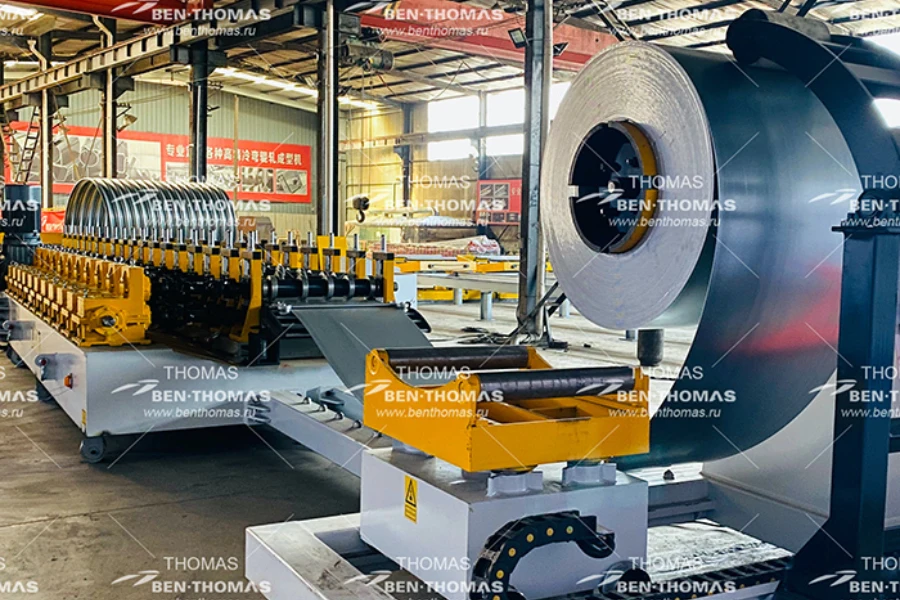
corrugated metal pipe forming equipment by Ben-Thomas
The same geometry logic shows up in corrugated metal culvert pipe – shape builds ring stiffness and helps the pipe hold up under backfill and traffic cycles.
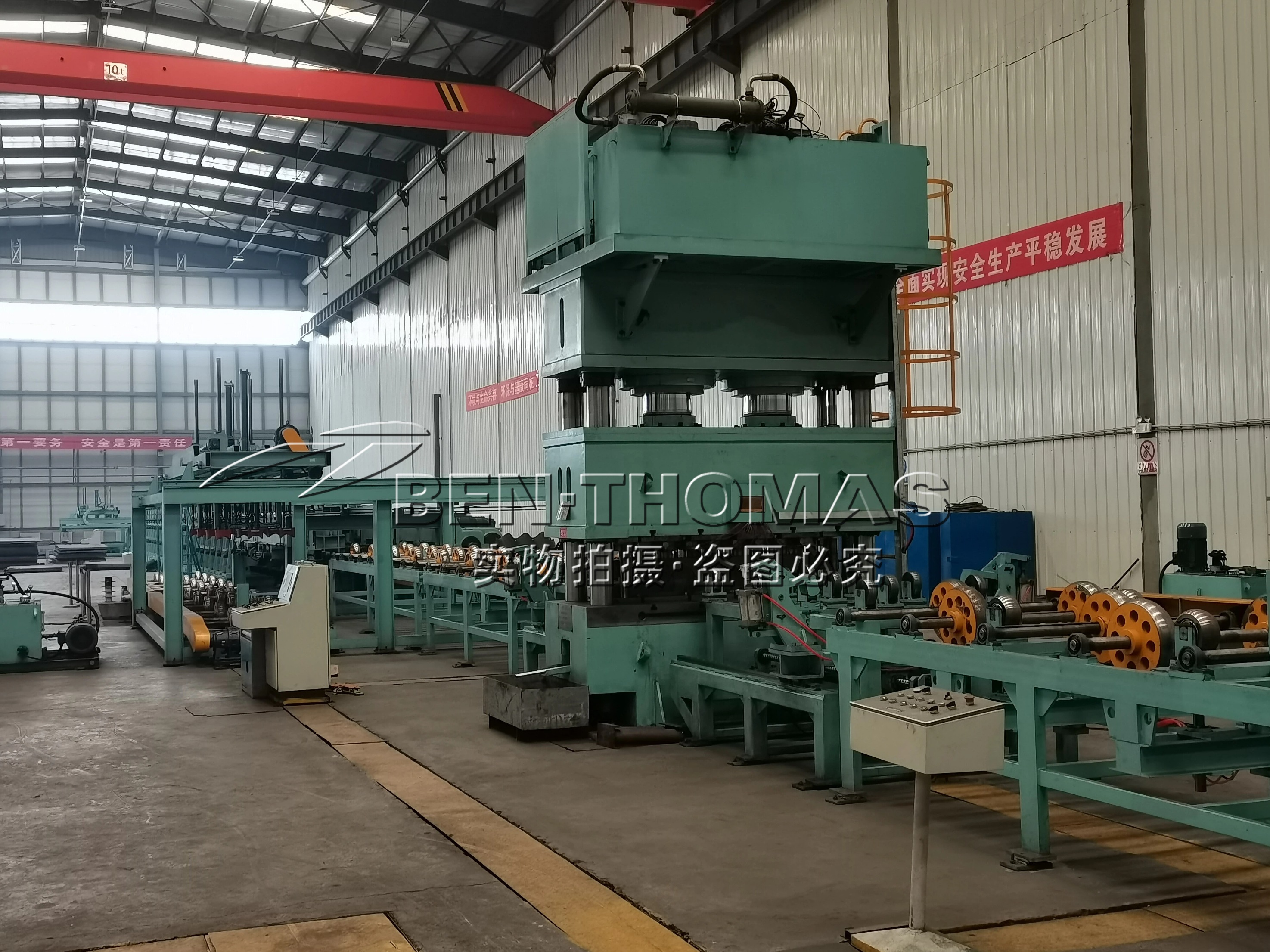
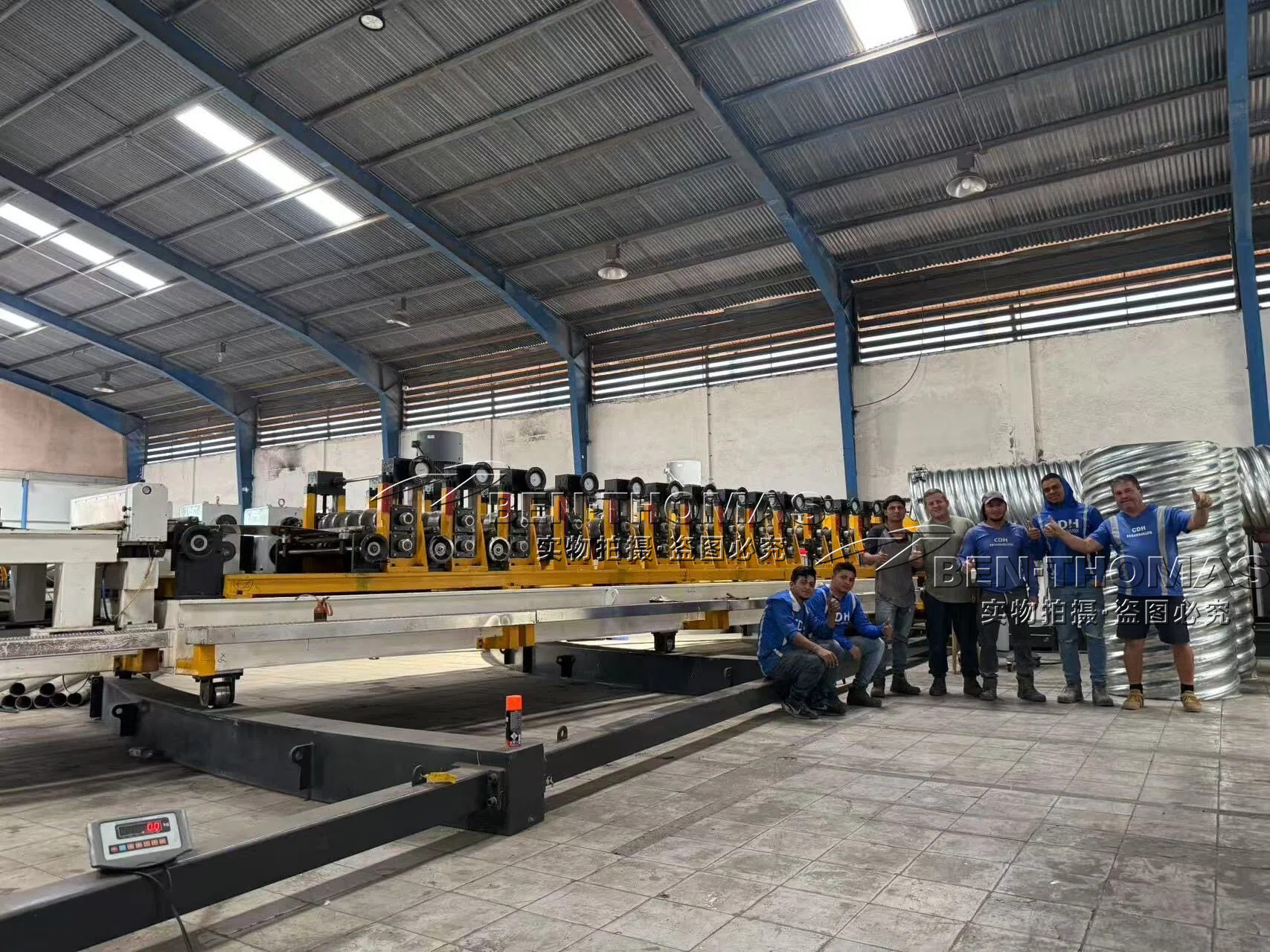
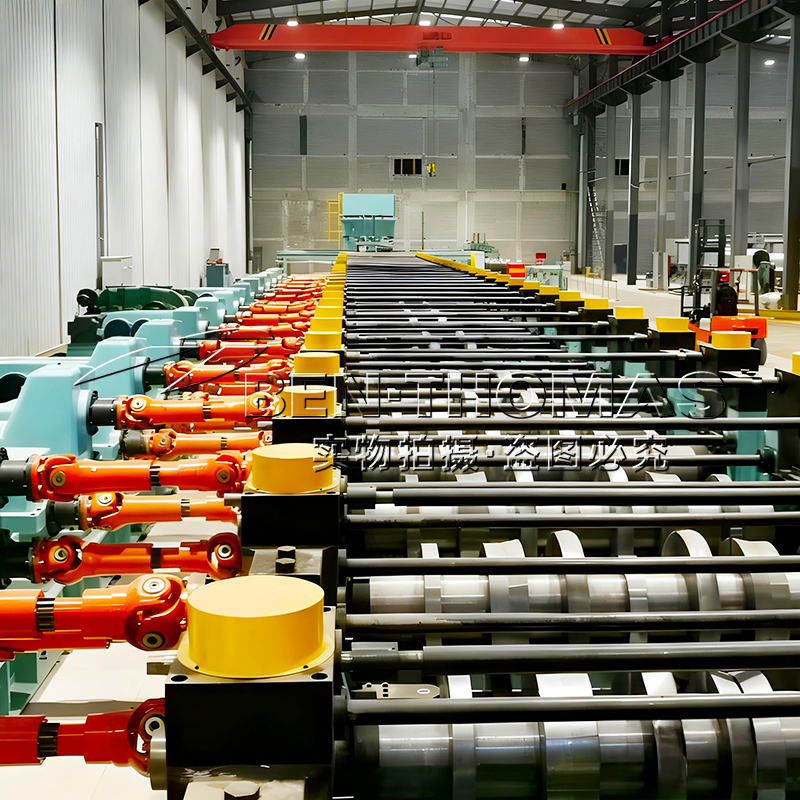
Ben-Thomas builds complete Corrugated Metal Pipe Production Lines and full assembly line solutions that produce consistent corrugation shift after shift. That repeatability helps projects reduce fit-up issues and avoid avoidable rework.
Tools help. Skilled crews and quality parts fix the problem. Corrugated metal works because it solves real failures, and consistency is what keeps it working in the field.
FAQ
Q: What makes corrugated metal stronger than flat metal sheets?
Corrugation adds depth to a thin sheet. The ribs raise ring and panel stiffness, so the metal resists bending and denting under load. That geometry delivers a higher strength-to-weight ratio than a flat sheet of the same gauge, without forcing you to add thickness or weight, which helps spans stay straight and fasteners stay tight.
Q: Is corrugated metal suitable for roofing in extreme weather?
Yes, when you spec the right gauge, profile, and fastening. Corrugated panels resist wind uplift because the ribs stiffen the sheet and reduce flutter. The profile also moves rain and snowmelt off the roof faster, lowering ponding risk. For heavy snow zones, match span tables and support spacing, and use tested accessories at laps and edges.
Q: How does corrugated metal reduce maintenance costs?
Maintenance drops when corrosion and leaks stay under control. Quality coatings slow rust, especially at exposed surfaces. Corrugation also reduces standing water and debris hold, so you spend less time chasing wet laps, loose fasteners, and edge rot. Plan basic inspections, but expect fewer touch-ups over the service life compared with flat panels in the same conditions.
Q: Can corrugated metal be used for decorative purposes?
Yes. Designers use corrugated metal for clean lines, shadow texture, and an industrial look that still performs outdoors. It works for feature walls, soffits, bar fronts, fences, and screen panels. Choose the profile, finish, and fasteners to match the visual goal, then detail edges so they stay crisp and avoid oil-canning on wide, flat areas.
Q: Is corrugated metal environmentally friendly?
It can be. Steel and aluminum panels recycle well at end of life, and long service life cuts replacement waste. Corrugated sheets also ship efficiently because they deliver stiffness without extra thickness, which reduces transport load. Sustainability still depends on coating choice, local recycling options, and building design, and proper installation that prevents premature corrosion.