What Are the Different Types of Culverts?
News 2026-01-19
Culverts are crucial for managing water flow beneath roads, railways, and embankments. The right choice ensures effective drainage and prevents flooding or erosion. Here’s a quick breakdown of the most common types of culverts.
Why Are Culverts Important?
Culverts help direct water safely, preventing infrastructure damage. Properly selected, they ensure long-term performance and minimize future maintenance costs.
Types of Culverts
1. Pipe Culverts
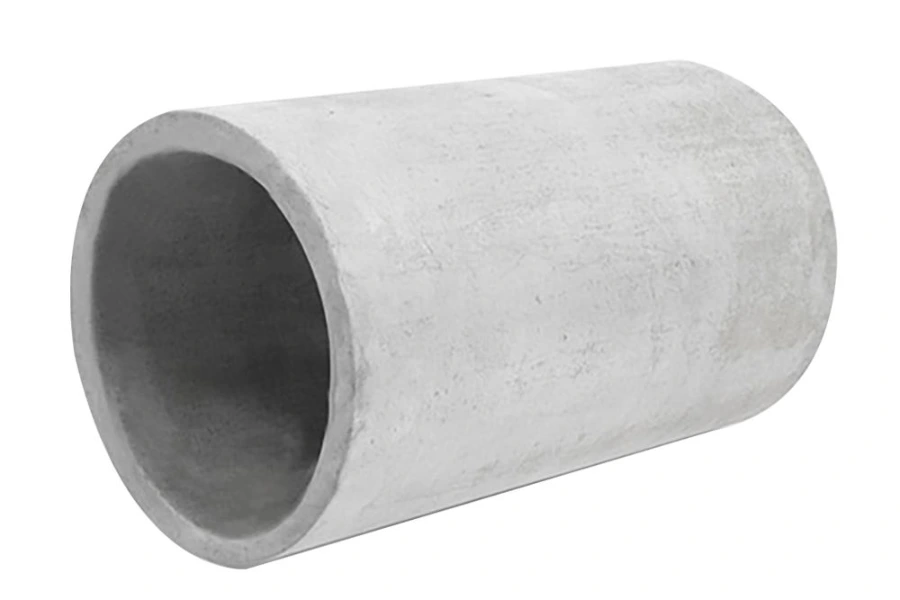
Pipe culvert example
Shape: Circular, Elliptical
Materials: Concrete, Steel, Plastic
Best For: Small roads, moderate water flow areas.
Pipe culverts are the most cost-effective solution for smaller projects. They’re simple to install and versatile, ideal for low to medium water flow.
2. Arch Culverts
Shape: Arch
Materials: Stone, Concrete, Steel
Best For: Areas with limited vertical space but requiring large openings.
Arch culverts are great for sites where space is constrained but a wide opening is needed. They offer strong water flow with minimal disruption to the environment.
3. Pipe-Arch Culverts
Shape: Flat-bottomed Arch
Materials: Steel, Aluminum
Best For: Tight spaces needing high drainage capacity.
Pipe-arch culverts combine the benefits of pipe and arch culverts, offering a larger opening with easier installation than full arch designs.
4. Box Culverts
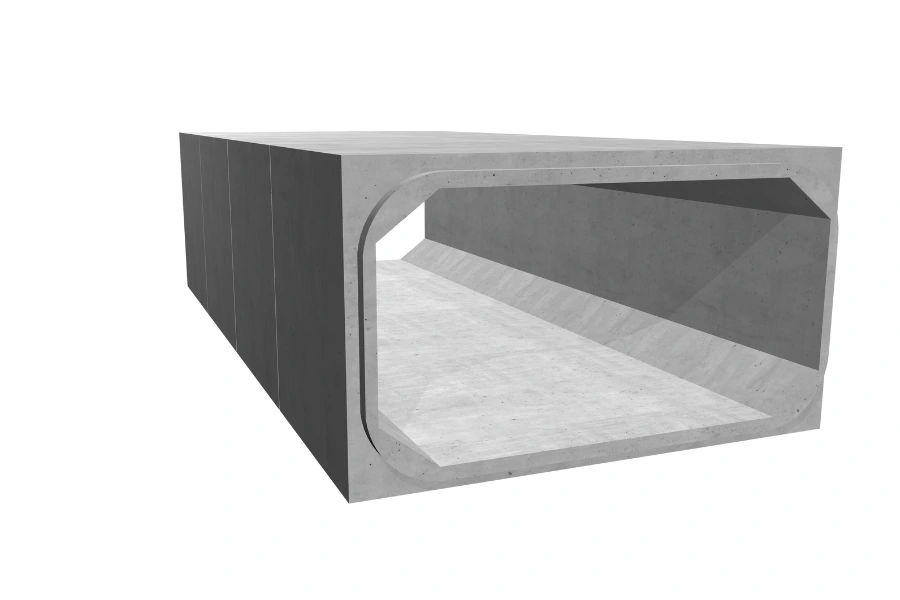
Box culvert for large drainage systems
Shape: Rectangular/Square
Materials: Reinforced Concrete
Best For: Highways, large drainage systems.
Box culverts handle larger water volumes and heavy loads, making them ideal for busy roads and large drainage needs. Installation requires dry conditions.
5. Bridge-Style Culverts
Shape: Bridge-like
Materials: Concrete, Steel
Best For: Large rivers or wide waterways.
Bridge-style culverts double as both a bridge and a drainage system, ideal for wide spans and high traffic.
6. Metal Box Culverts
Shape: Rectangular/Arch
Materials: Steel Plates
Best For: Large spans in challenging locations.
Metal box culverts are modular and easy to assemble on-site, offering quick installation and suitability for large-scale projects.
Key Factors for Choosing a Culvert
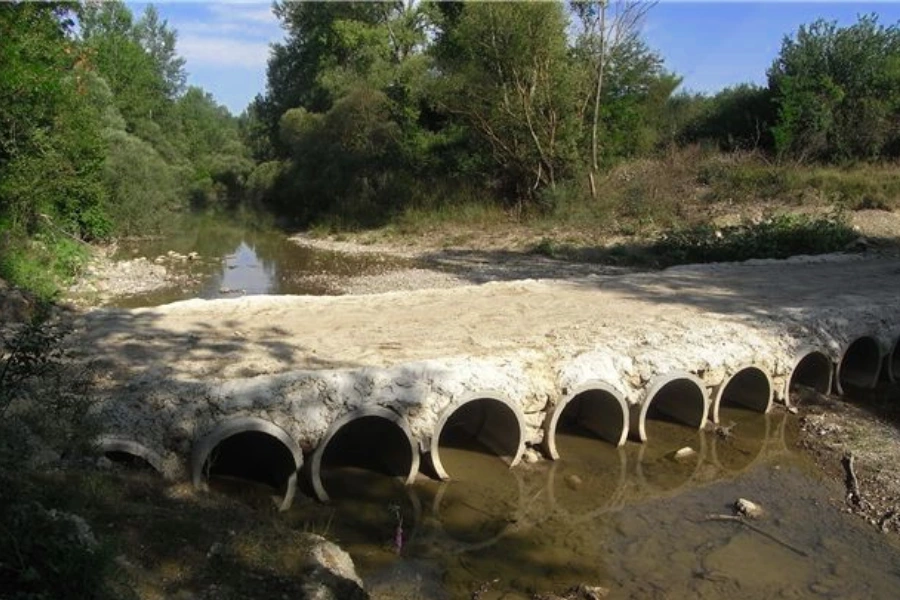
Culvert installed for water drainage
When choosing a culvert, consider:
-
Water Flow: Ensure the culvert can handle the expected water capacity.
-
Site Conditions: Take into account terrain, soil, and environmental factors.
-
Load Requirements: Ensure it can support traffic if necessary.
-
Material & Budget: Pick materials that meet performance needs and budget constraints.
Conclusion
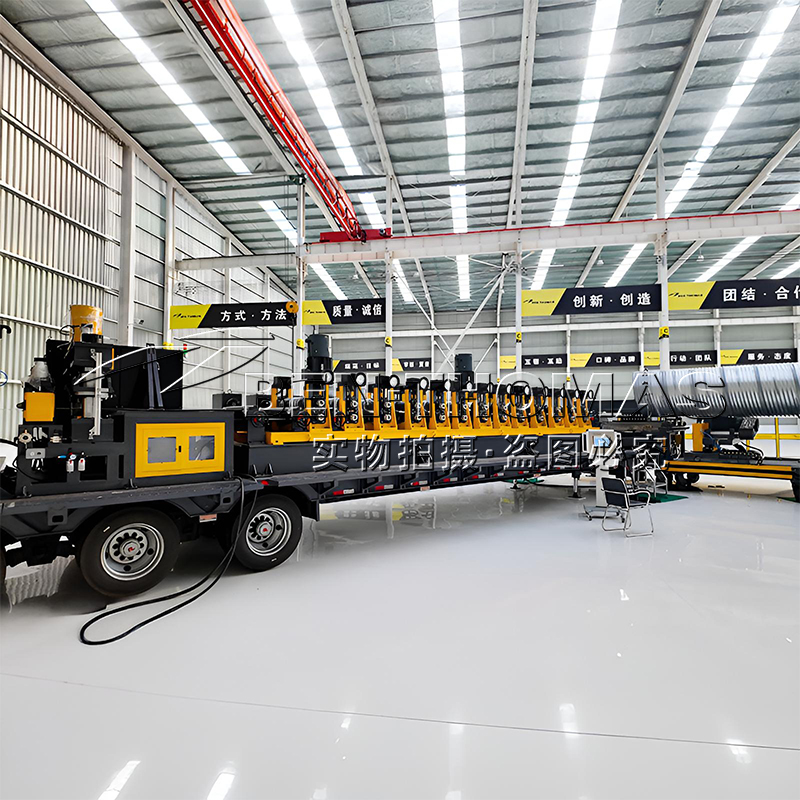
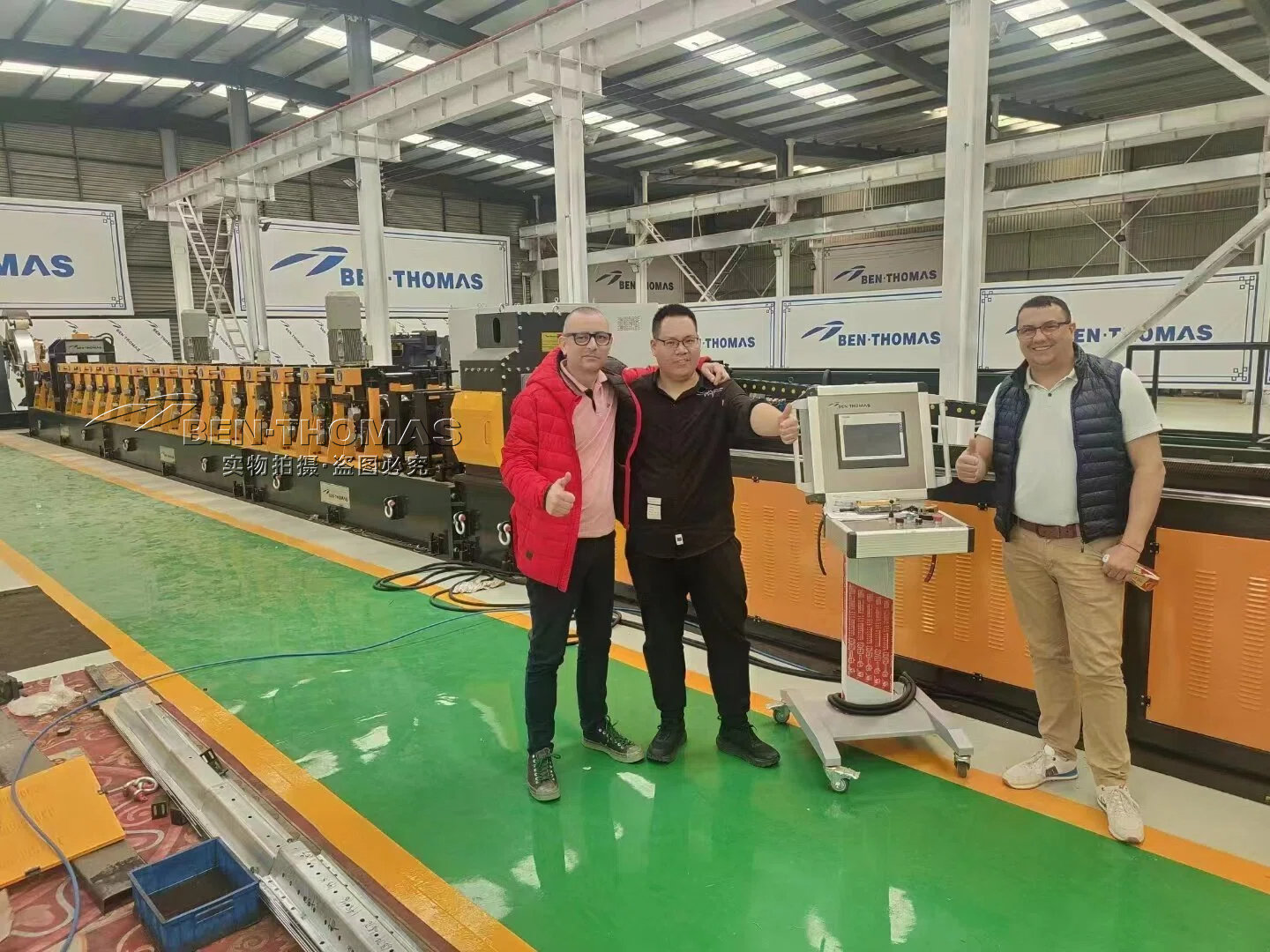
Selecting the right culvert type is essential for effective drainage and long-term infrastructure reliability. Ben-Thomas specializes in advanced Metal Culvert Pipe Production Lines to ensure your project meets both quality and performance standards.
FAQ
Q: What’s the difference between a culvert and a bridge?
Culverts are smaller, covered structures designed for drainage, while bridges are larger, open structures that carry traffic over water bodies.
Q: How do I choose the right material for a culvert?
Concrete is durable and ideal for most conditions, while steel and aluminum are lightweight and corrosion-resistant. Plastics are easy to install and best for less demanding projects.
Q: How long do culverts last?
Concrete culverts typically last 50-100 years, while metal culverts last 25-50 years depending on environmental factors and maintenance.
Q: Is regular maintenance required for culverts?
Yes, culverts need periodic checks for blockages, corrosion, and debris buildup to ensure water flows efficiently and prevent damage.