What Are the Disadvantages of Corrugated Metal Sheets?
News 2026-01-31
Corrugated metal sheets are widely used in roofing, siding, and industrial structures because they’re strong, durable, and relatively easy to install. But like any building material, they come with trade‑offs that matter on real projects. Before you specify them, it’s worth understanding the common drawbacks and how they affect performance on‑site.
Noise During Rain, Hail, and Storms
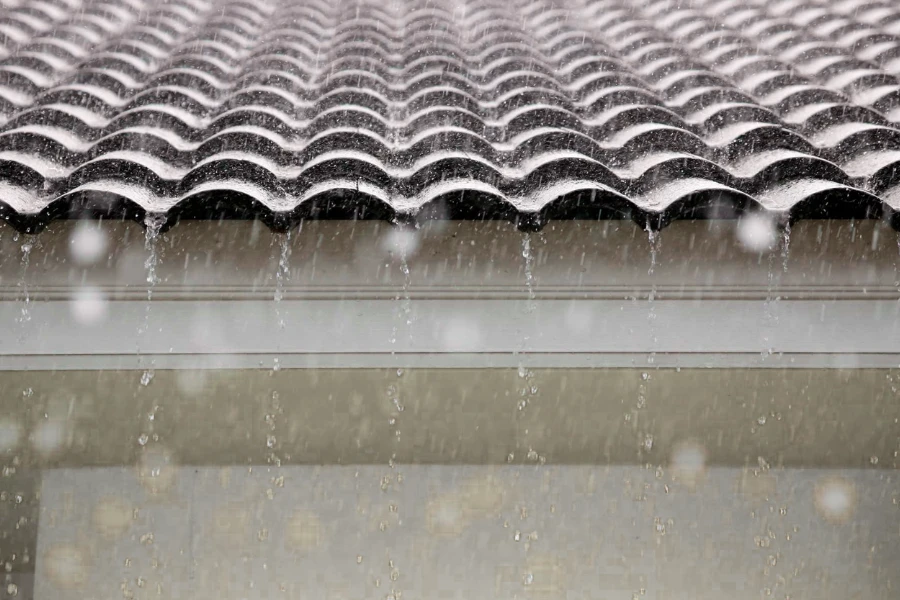
One of the most frequent complaints about corrugated metal sheets—whether in roofing or siding—is noise.
When rain or hail hits the ridged surface, the sound can be louder than on flat materials like tiles or shingles, especially if there’s minimal insulation underneath. It’s not just an aesthetic issue: increased noise can affect occupant comfort in residential and commercial spaces.
Takeaway: Without proper underlayment or sound‑dampening layers, corrugated metal can transmit impact noise more than alternative materials.
Visible Fasteners and Leak Risk
Corrugated metal panels typically use exposed fasteners, meaning the screws or bolts that attach the sheets are visible across the surface. This design has practical implications:
-
Exposed fasteners can loosen over time under thermal cycling.
-
Each fastener penetrates the metal and underlayment, creating a potential water entry point if seals degrade.
This doesn’t make corrugated metal inherently leaky, but it requires diligent installation and periodic inspection to maintain water‑tightness, especially in heavy rainfall zones.
Denting and Scratches from Impact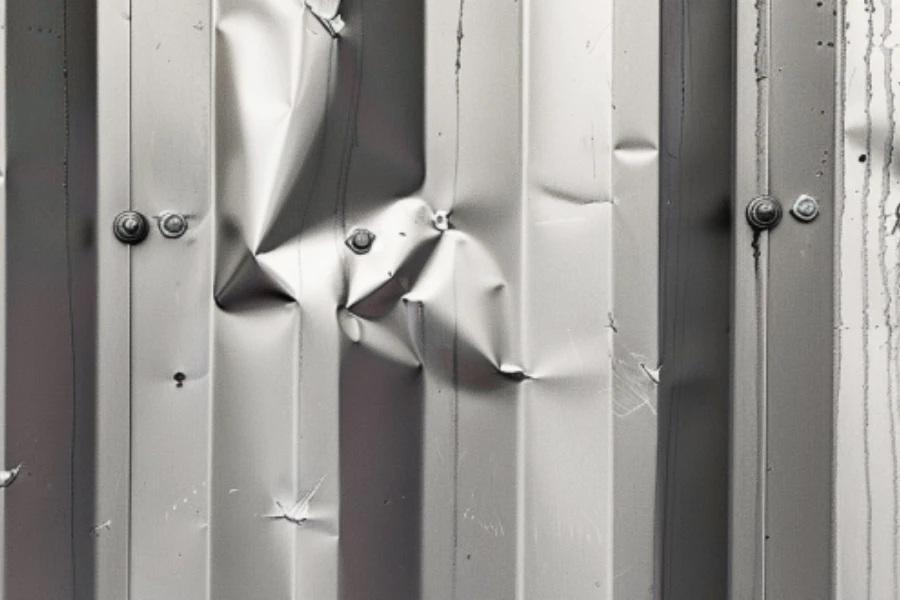
Although corrugated metal sheets are generally durable, thin gauges—especially aluminum—are susceptible to denting from impacts like hail, falling branches, or foot traffic during maintenance. The waves add strength, but they don’t stop localized dents from happening.
Takeaway: In areas with frequent hail or maintenance access needs, consider thicker gauges or protective design details to minimize cosmetic and structural damage.
Expansion and Contraction with Temperature Changes
Metal expands as it heats and contracts as it cools. Over years of temperature cycling, this natural movement can create challenges:
-
Fasteners can loosen.
-
Panels can warp or buckle in extreme climates.
Proper allowance for thermal movement needs to be built into the installation design. If this isn’t accounted for, long‑term dimensional stability can be compromised.
Aesthetic Limitations for Some Projects
Corrugated metal has a distinct appearance. While it works for industrial, agricultural, or rustic aesthetics, some architectural projects find it less visually flexible than smooth panels, standing seam systems, or other cladding materials.
In contexts requiring modern, sleek facades, corrugated sheets may need additional design elements or finishes to meet aesthetic goals.
Higher Initial Cost vs Conventional Materials
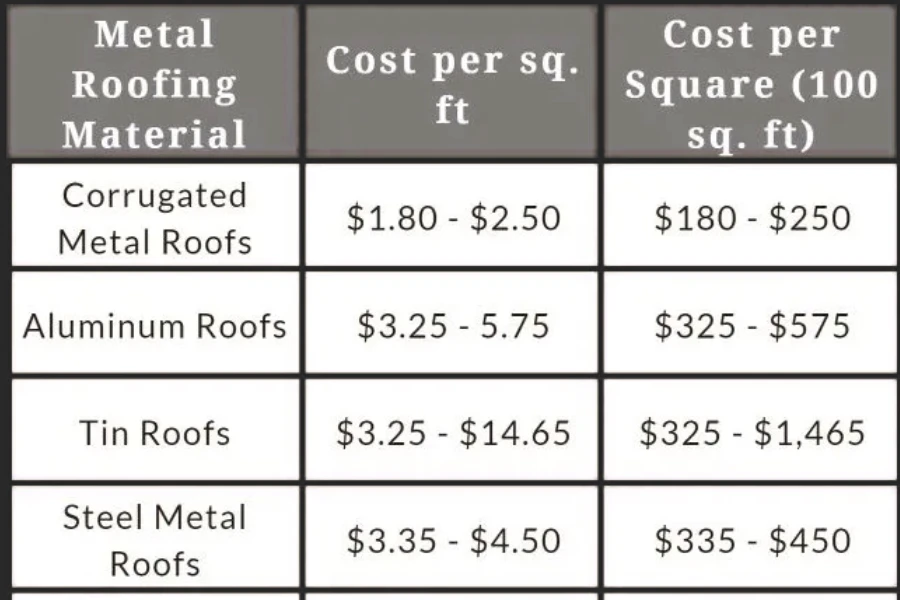
While the long‑term lifecycle cost of corrugated metal sheets is often favorable due to durability and low maintenance, the upfront cost and installation time can be higher compared to basic asphalt shingles or fiber cement siding.
This is especially true if specialty coatings or thicker gauge materials are specified to counter some of the drawbacks above.
Corrosion and Rust in Harsh Environments
Metal sheets resist weathering, but if the protective coating is compromised or the environment is highly corrosive (e.g., coastal salt spray), panels can still corrode over time.
Without regular maintenance, corrosion can weaken the sheet edges and fastener holes, ultimately affecting performance.
Maintenance Expectations
Corrugated panels are often marketed as “low maintenance,” but that doesn’t mean no maintenance.
-
Fastener seals need periodic checking.
-
Joint overlaps require inspection after severe weather.
-
Surface coatings eventually degrade and may require touch‑ups.
Conclusion
Corrugated metal sheets bring many advantages, including strength, longevity, fire resistance, and relatively simple installation. But their downsides—such as noise, visible fasteners, dent risk, thermal movement, aesthetic limits, initial cost, corrosion potential, and maintenance needs—are real factors that can impact long‑term performance.
Understanding these trade‑offs helps you choose the right material for each project and design solutions that mitigate potential weaknesses from the start.