What Is the Difference Between HSAW and LSAW Pipes?
News 2026-02-13
You’ve seen them on-site: two types of large‑diameter steel pipes — HSAW and LSAW. They both look solid, heavy, and durable, but choosing between them comes down to more than just appearance. So, what’s the difference? Let’s break it down, using real-world examples from the field.
1. The Manufacturing Process: The Core Difference
The process used to create these pipes dictates their performance in real-world conditions.
-
HSAW (Helical Submerged Arc Welded) pipes are made by forming a steel coil into a pipe and welding along a spiral seam. This process is quick and cost-effective, suitable for many low‑pressure applications.
-
LSAW (Longitudinal Submerged Arc Welded) pipes are made from flat steel plates that are welded along the length of the pipe. The result is a straight seam that provides enhanced strength and better performance under high pressure.
Takeaway: HSAW pipes offer faster production and cost savings, but for higher pressure applications where performance and reliability matter most, LSAW is often the go‑to choice.
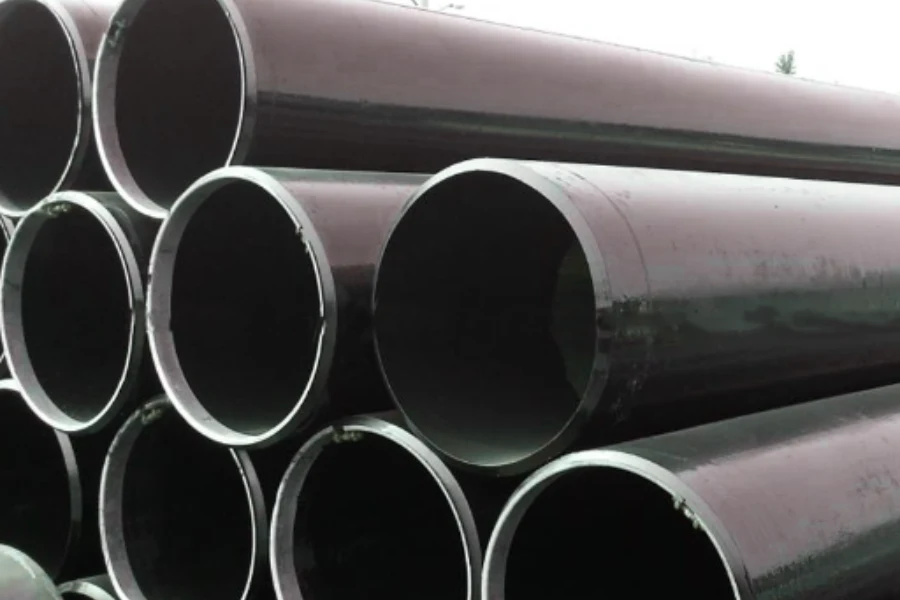
LSAW pipe under high pressure showing stable weld, HSAW pipe pressure stress
2. Weld Seam Strength: Straight vs. Spiral
It’s all about the way the weld is positioned, affecting pipe strength under different conditions.
-
LSAW pipes have a straight longitudinal seam that enhances the pipe’s ability to withstand pressure. This configuration leads to less stress concentration at the weld, which is crucial when you need a pipe that holds up under demanding conditions like oil & gas pipelines or critical water mains.
-
HSAW pipes, with their spiral seams, have a longer weld, which may lead to a slightly higher chance of stress at the weld point. While this is usually fine for lower‑pressure applications, it can be a limitation when you need pipes to handle high-stress conditions.
Takeaway: For projects where pressure and safety are key — LSAW is the best choice. But if you’re working with low-pressure applications, HSAW still provides solid reliability at a lower cost.
3. Production Efficiency: Cost and Time Considerations
Every project has its budget and timeline — understanding the cost differences is crucial.
-
HSAW pipes are generally cheaper to manufacture. The coil-based process is quicker and simpler, allowing for more cost-effective solutions in large‑volume, non‑critical applications.
-
LSAW pipes, on the other hand, require more precise manufacturing and longer production times, which increases the cost. However, the added expense often pays off in performance, particularly in high‑pressure applications.
Takeaway: If your project has tight budgets and doesn’t need the highest level of strength, HSAW might be your best option. LSAW is the choice when reliability and strength are non‑negotiable, but it comes at a higher cost.
4. Applications: Choosing the Right Pipe for the Job
Choosing between HSAW and LSAW pipes often comes down to application. Let’s look at where each performs best.
-
LSAW pipes excel in applications requiring high strength and pressure resistance, such as large‑diameter pipelines for oil, gas, and water transmission. The straight seam makes them a natural fit for projects where structural integrity is critical, like offshore pipelines or underground high‑pressure installations.
-
HSAW pipes are often used for structural applications, such as water drainage systems, and are great for non‑critical infrastructure where large diameter and flexibility matter more than ultra‑high strength.
Takeaway: LSAW is your go-to for high‑pressure, heavy-duty projects. HSAW is perfect for large‑diameter, lower-pressure applications.
5. Inspection and Quality Control
Weld inspection is crucial in ensuring a reliable, durable pipe. The type of weld seam affects how easily it can be inspected.
-
LSAW pipes have fewer welds and a straight seam, making them easier to inspect using non‑destructive testing methods like X‑ray and ultrasonic testing. This is crucial for projects requiring strict quality control.
-
HSAW pipes feature longer spiral seams, which can be more challenging to inspect thoroughly, though they’re still suitable for many applications.
Takeaway: When inspection accuracy is paramount, especially for high-risk infrastructure projects, LSAW offers an advantage due to its easier seam inspection.
6. Cost-Effectiveness vs. Durability
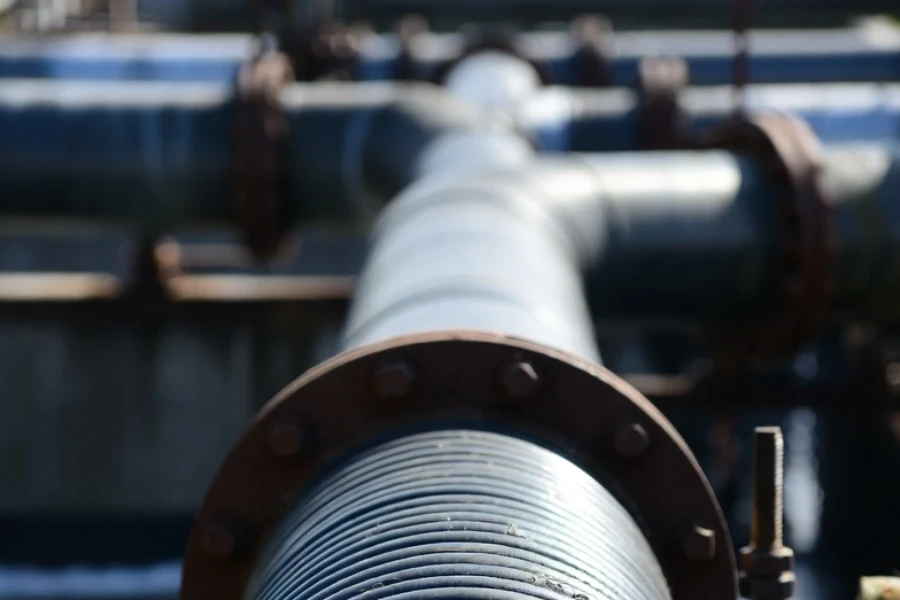
LSAW pipe used in high-pressure pipelines, HSAW pipe used in water systems
We know the importance of balancing cost and durability — so what’s the real takeaway here?
-
HSAW pipes offer solid performance at a lower cost, making them ideal for applications where budget is a major factor. The spiral welding method allows for faster production and reduced material costs.
-
LSAW pipes come with a higher price tag due to their precise manufacturing process, but this is an investment in durability and performance, particularly in critical applications.
Takeaway: If the project demands cost-effective solutions without compromising performance, HSAW is a great choice. For high-demand applications, LSAW delivers long-term value.
Ben‑Thomas — Delivering Precision with Every Pipe
For over several decades, Ben-Thomas has been at the forefront of manufacturing metal culvert pipe production lines. Our advanced systems for both HSAW and LSAW production deliver exceptional weld quality, precision, and reliability. Whether you need a high-pressure pipeline solution or a cost-effective structural application, Ben-Thomas systems can provide you with the tools to meet every challenge with confidence.
We’ve helped engineers and fabricators worldwide produce durable, reliable pipes for major infrastructure projects. Choose Ben-Thomas, and you’re partnering with the industry leader.