What Machine Is Used to Make Spiral Ducts?
News 2026-02-11
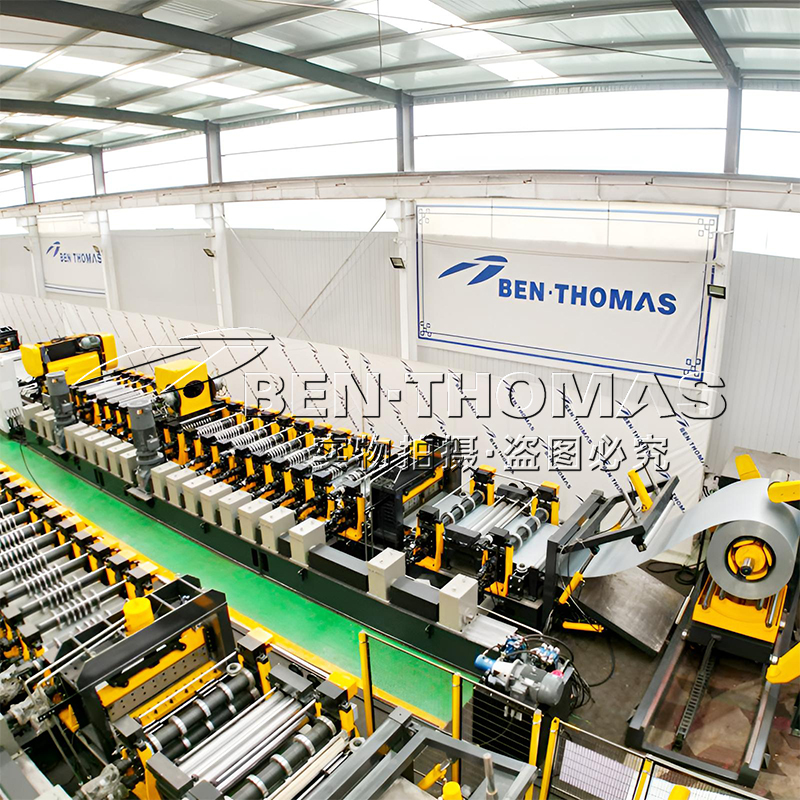
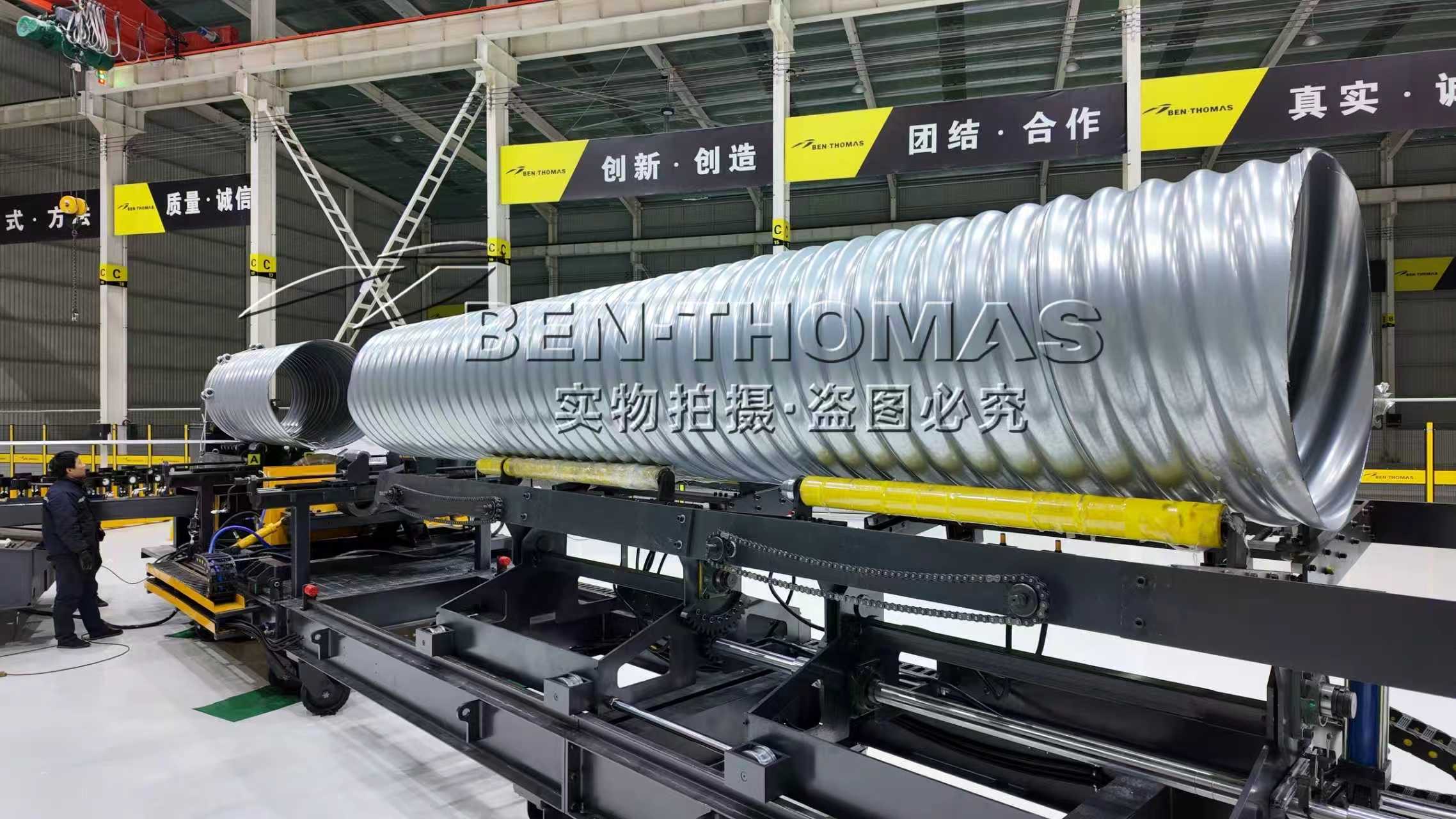
If you’ve been in a sheet metal shop or HVAC production line, you’ve seen it — the big machine that churns out spiral ducts in a continuous flow, taking raw metal coils and transforming them into precision‑formed tubes. But how exactly does this happen? It’s all thanks to the spiral duct forming machine, the backbone of modern ductwork fabrication.
Why Spiral Ducts Aren’t Made by Hand Anymore
Creating spiral ducts by hand is a time‑consuming and error‑prone process. If you’ve ever tried manually forming a round duct, you know how difficult it is to get that clean, uniform spiral. Hand‑formed ducts often result in inconsistent seams and leakage — a nightmare for HVAC professionals who need to ensure airtight, durable installations.
This is where the spiral duct forming machine comes in. It’s designed to take the hassle out of duct production, providing a reliable, high‑quality output every time.
The Spiral Duct Forming Machine — What’s Inside?
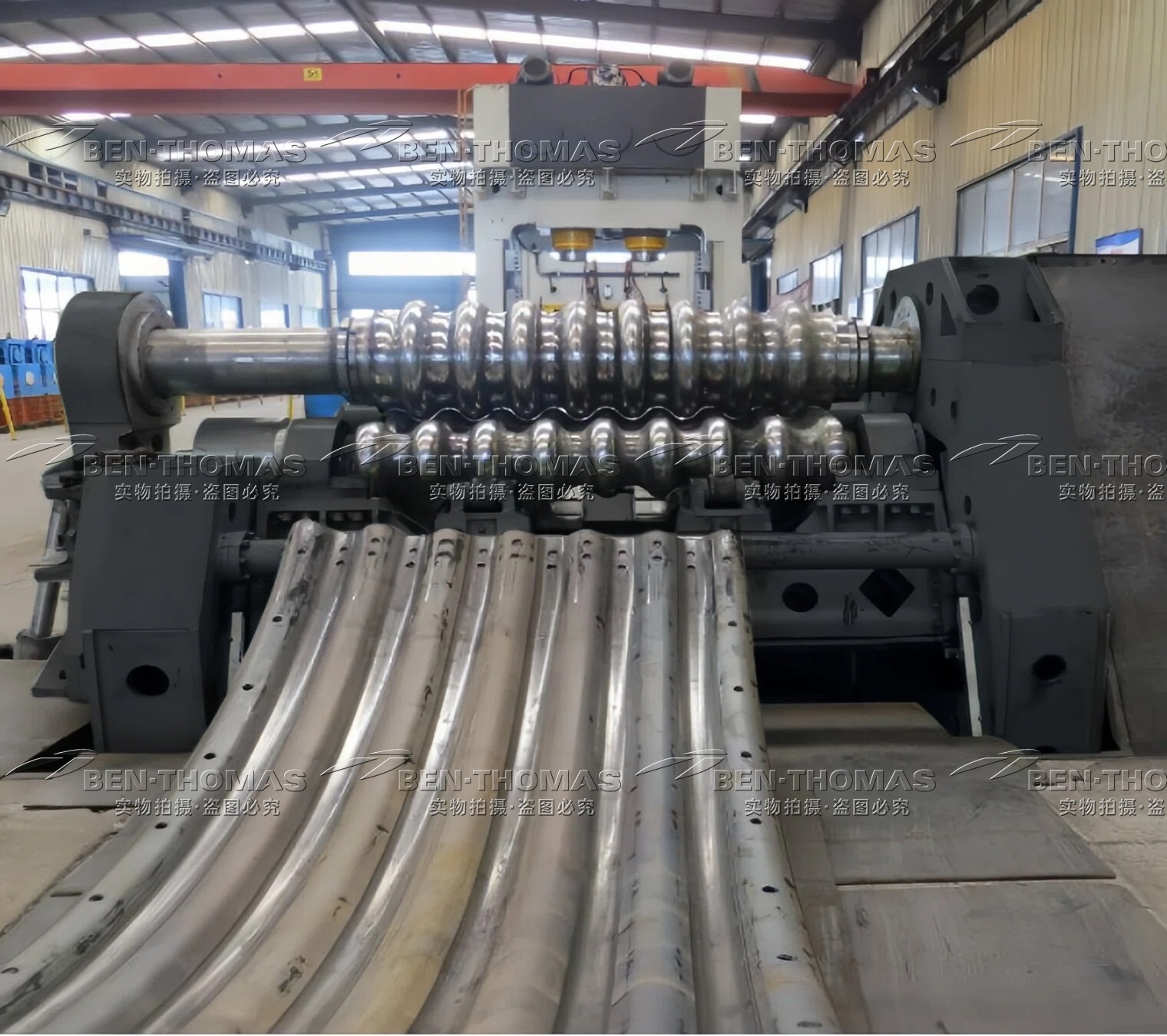
Spiral duct forming machine in action, turning metal coils into precise ductwork for HVAC systems.
At the heart of any duct manufacturing facility is the spiral duct forming machine. This equipment is what turns flat metal strips into tightly‑seamed, spiraled tubes, ready for use in ventilation systems.
1. Spiral Duct Forming Machine – How It Works
-
The Process: The machine starts with a coil of metal that’s unspooled and fed through rollers. As it moves through the machine, the metal strip is gradually formed into a spiral. The machine’s locking mechanism automatically joins the metal’s edges to create a tight seam. It’s a seamless, efficient process that cuts down production time.
-
The Output: The result? Long, precise lengths of spiral ducts that are airtight and easy to work with. This is crucial for ensuring the ducts will perform as expected in real‑world applications.
2. Key Components of the Machine
The spiral duct forming machine is made up of several key components that ensure smooth operation:
-
Decoiler: This unwinds the metal coil. A good decoiler helps to feed the strip smoothly and evenly into the system, minimizing defects.
-
Forming Head: This section shapes the metal strip into a spiral. The forming head is engineered to maintain a consistent angle for a tight, uniform spiral.
-
Seam Locking Mechanism: This is what ensures the two edges of the metal strip are securely joined. A solid seam prevents air leaks and ensures the structural integrity of the duct.
-
Cutting Unit: The cutting unit slices the duct to the right length for use. It works in sync with the rest of the machine to ensure clean, precise cuts with minimal waste.
Benefits of Using a Spiral Duct Forming Machine
The spiral duct forming machine isn’t just about convenience; it’s about boosting the efficiency and quality of every duct produced.
3. Why It’s a Game‑Changer for Technicians and Fabricators
-
Precision: These machines are built for exacting tolerances. A consistent seam and smooth spiral mean no rework, reducing job site complaints and ensuring better airflow.
-
Speed: Automated operation means you can produce a lot more ductwork in a fraction of the time compared to manual methods. More ducts in less time equals increased productivity.
-
Durability: Machines are designed for long‑term reliability. When you invest in the right equipment, you’re setting up for fewer breakdowns and a smoother operation. This translates to fewer interruptions and more consistent results on every job.
-
Improved Airflow: The seamless, uniform spiral ensures minimal resistance in the ductwork, which is critical for optimizing the performance of HVAC systems.
By using the latest in spiral duct forming technology, manufacturers can reduce waste, improve accuracy, and cut down on the number of man hours spent on each project.
Supporting Equipment — How It All Comes Together
In a full duct production line, the spiral duct forming machine doesn’t work alone. To maximize efficiency, you’ll find several other machines working in tandem:
4. Ancillary Equipment for Full‑Scale Operations
-
Levelers: To ensure the metal is flat and smooth before it enters the forming machine.
-
Cutting Systems: These can include plasma cutters or saw blades to trim ducts to the desired length.
-
Elbow and Fitting Machines: These machines make the elbows and other fittings needed for turning and connecting ducts.
-
Auto‑Seaming and Locking Systems: For more complex ductwork configurations, these machines lock seams with greater precision.
When all these machines work together, they streamline the process from start to finish, making it possible to churn out large volumes of spiral ducts that meet both performance and regulatory standards.
How Ben-Thomas Sets the Standard for Duct Production
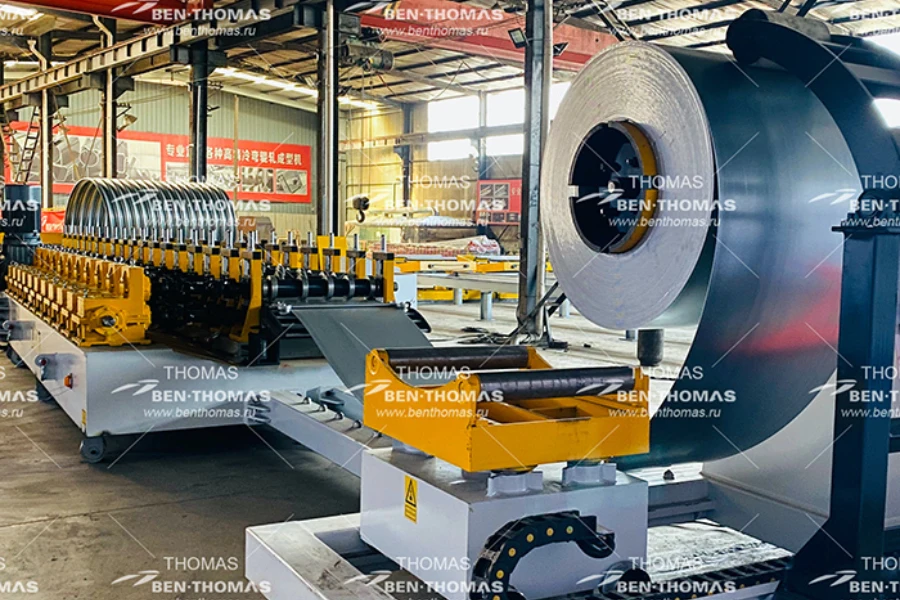
Full spiral duct production line in operation, showcasing multiple machines working together for high-efficiency duct fabrication.
Ben‑Thomas has spent decades developing and manufacturing top‑tier equipment for the metal culvert and duct industry. As China’s 1 manufacturer in this field, we specialize in providing the most reliable Corrugated Metal Pipe Production Lines and spiral duct forming solutions. Our machines are trusted by professionals around the world, working seamlessly on construction projects, highways, and in major urban infrastructure across five continents.
By partnering with Ben-Thomas, you’re not just getting high‑performance equipment — you’re getting a global standard of reliability and precision that sets you ahead of the competition.
Conclusion — The Smart Investment for Modern HVAC Fabrication
In the world of HVAC ductwork, the spiral duct forming machine is an indispensable tool for technicians and fabricators alike. It simplifies the duct creation process, boosts production speed, and ensures a high‑quality end product. For businesses looking to stay competitive, investing in top‑tier machinery like the ones offered by Ben-Thomas is a smart move. These machines are built to last and improve your shop’s efficiency, one duct at a time.