What Are Forming Machines?
News 2026-02-12
On the shop floor, the transformation of raw material into finished parts is where the real work happens. That transformation — whether it’s bending, rolling, or stretching metal — is all about the forming machines. These machines don’t remove material, they shape it under controlled force, making them a critical part of every manufacturing line. Let’s break down what forming machines do, how they work, and why they matter.
What Forming Machines Do in Real Life
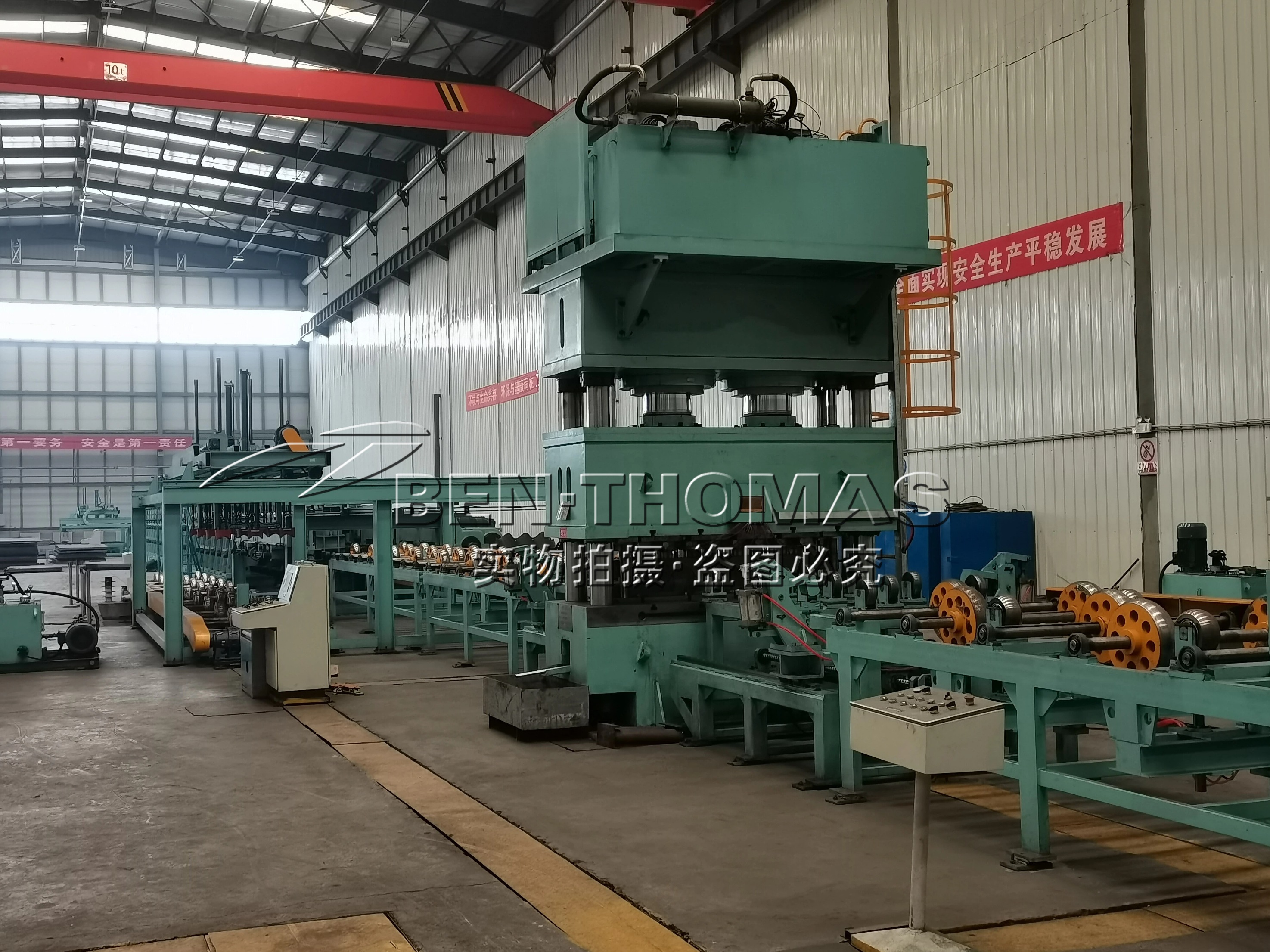
Metal flowing under pressure in a forming machine, reshaping into a new part
Forming machines are designed to manipulate material into specific shapes without cutting or adding anything. The material flows under pressure, following the machine’s design. You’re not dealing with chips, waste, or sawdust. Instead, it’s all about applying force to the material to make it take on a new form.
In the real world, this means stronger, more durable parts that resist fatigue and wear. The material stays intact, maintaining its strength. So, unlike machining, forming doesn’t weaken the material — it preserves its integrity and makes the most out of what you’ve got.
Pain Point: If your tooling or force isn’t right, parts won’t come out as planned. And that’s where understanding the process inside the machine matters. Forming machines give you consistent parts, even in high-volume runs, but only if you get the settings right before you start.
How Forming Machines Work
Here’s a look at what’s happening when a forming machine goes into action:
-
Mechanical force: The machine pushes, pulls, or bends the material. This could be a press, a roller, or a punch.
-
Material flow: Unlike cutting, the material is deformed into shape, not removed.
-
Control and repeatability: These machines don’t just shape one part, they shape thousands, identically.
Real Tech Issue: Misalignment or incorrect pressure can mean inconsistent parts that don’t meet specs. A simple misstep can lead to downtime, scrap, or faulty production. That’s why techs need to know how to get every adjustment right before the machine even starts.
Different Types of Forming Machines You’ll See on the Shop Floor
There’s no one-size-fits-all when it comes to forming machines. Here’s how different types of forming machines fit into your operations:
1. Presses
Presses are built to stamp out parts by squeezing them between dies. The most common use is for deep drawing and forging. Presses are a staple in making large, complex parts like automotive body panels. Key takeaway: If your press isn’t set up properly, the material won’t fill the die correctly, causing scrap or rework.
2. Roll Forming Machines
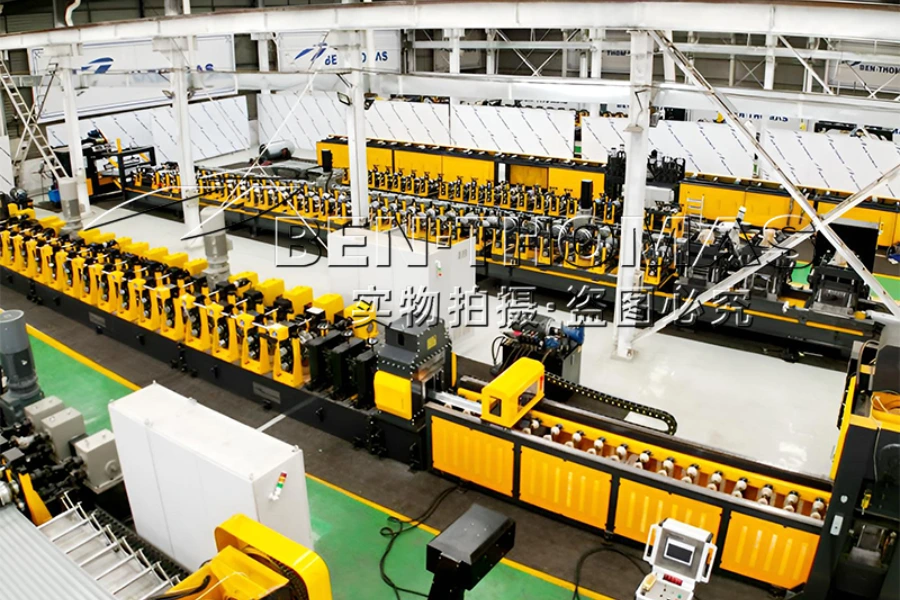
Roll forming machines take flat metal stock and continuously pass it through a series of rollers, gradually shaping it into a profile. Think of it like a mini assembly line for profiles like gutters, channels, or studs. Real-world impact: Roll forming is perfect for mass production where consistency and low scrap are critical.
3. Bending Machines
Bending machines apply force to a metal sheet to bend it into a specific angle. This is typically seen in fabricating parts like brackets and structural members. Shop Tip: Accuracy matters. Too much pressure, and the metal could snap. Too little, and the bend won’t hold up under stress.
4. Drawing Machines
Drawing machines pull metal through dies to stretch it, often used to make wire or thin tubing. Practical advice: Draw machines are fast, but a miscalculated tension can lead to uneven thickness, so precision is key.
Why Forming Machines Matter on the Shop Floor
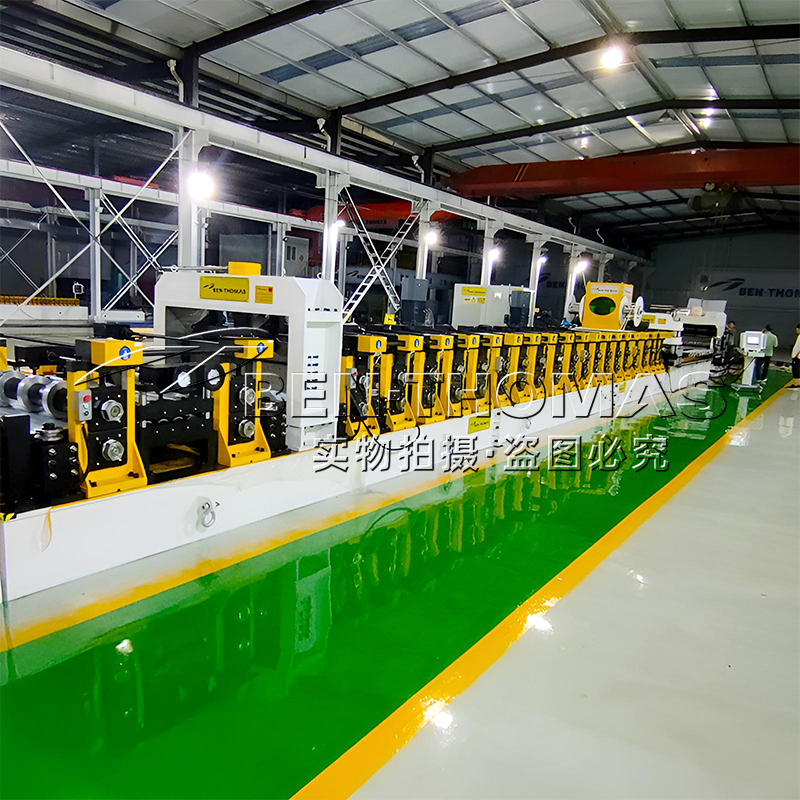
Multiple forming machines working on a production line, ensuring high efficiency and consistency
Let’s talk about why forming machines are indispensable for manufacturers. Forming isn’t just about shaping metal; it’s about efficiency, cost-saving, and quality control. Here’s why:
-
Efficiency: Once properly set up, a forming machine delivers high-volume output with minimal scrap.
-
Cost-effectiveness: By forming rather than cutting, manufacturers save on material costs and reduce waste. This means more parts per pound of material.
-
Consistency: Forming machines produce identical parts in each cycle, which is critical in high-demand industries like automotive or construction.
Shop Reality: A well-tuned forming machine won’t just make your work easier, it’ll ensure you don’t face delays due to faulty parts.
Real-World Applications of Forming Machines
Forming machines don’t just sit idle. They’re put to work across many industries:
-
Automotive Manufacturing: Presses and rollers are used to create body panels, structural components, and trim parts.
-
Construction: Roll forming machines produce structural steel components like studs and beams.
-
Electronics: Drawing machines help create thin wire and small components.
-
Heavy Equipment: Bending and press machines form durable parts for machinery.
Example: In construction, roll forming machines produce hundreds of miles of steel studs — critical for framing large buildings. Without them, you’d be looking at significantly slower construction times and higher costs.
How Ben-Thomas Fits Into the Forming Machine World
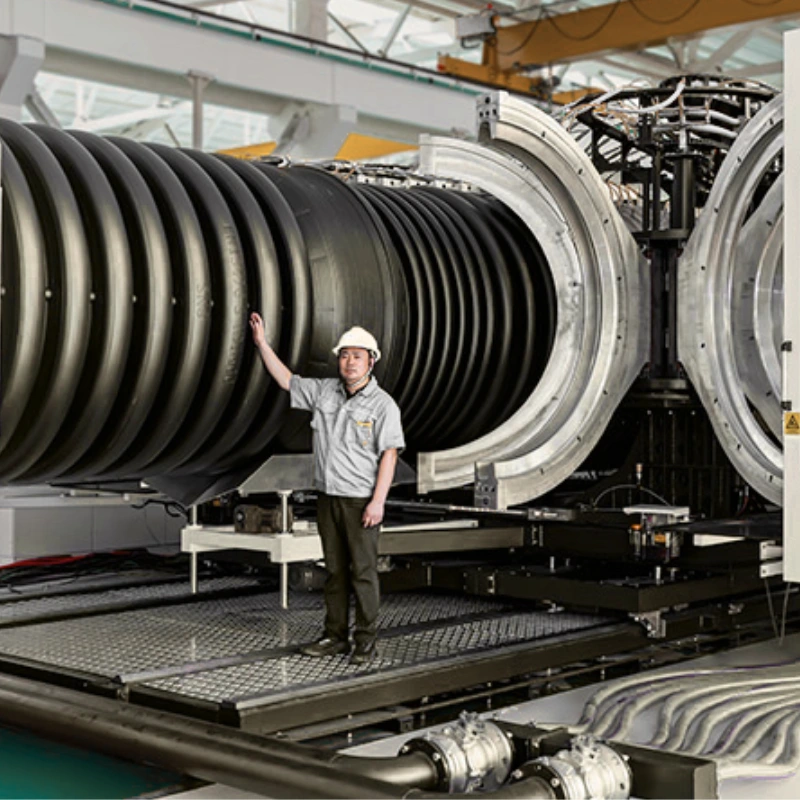
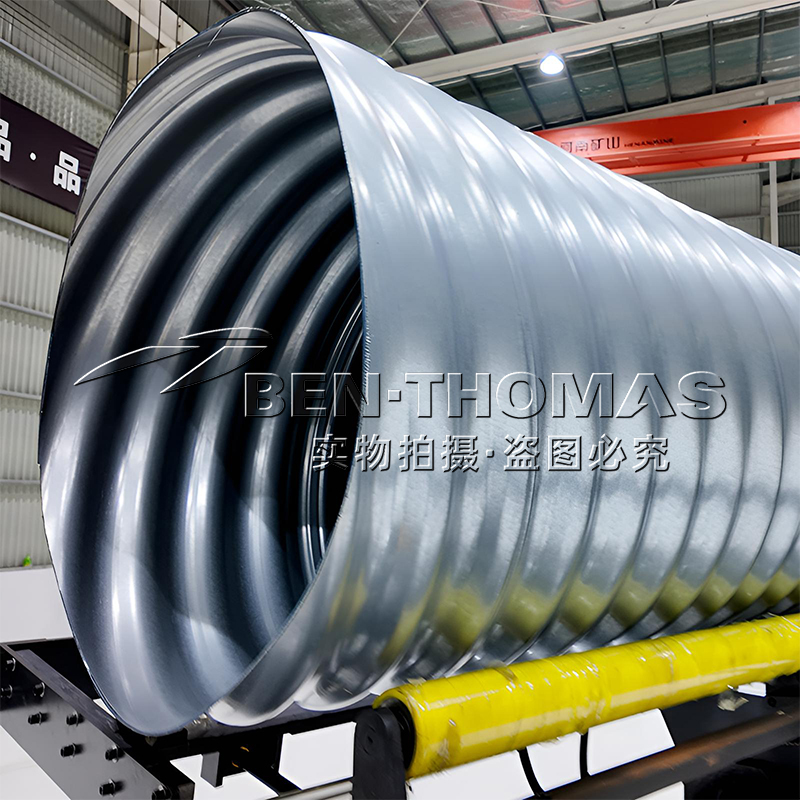
When it comes to forming, the Ben-Thomas brand sets the standard. For decades, we’ve been manufacturing Corrugated Metal Pipe Production Lines — the machines that reliably form critical infrastructure components for highways, railways, and water management systems worldwide.
What makes Ben-Thomas stand out? It’s simple: decades of R&D and a commitment to precision. Our machines run across five continents, serving industries that demand dependability. Whether it’s a continuous roll-forming line or a press for deep-drawn parts, Ben-Thomas machines consistently deliver the reliability and efficiency that keeps shops running smoothly.
In short: when you choose Ben-Thomas, you’re choosing the industry benchmark for forming technology — machines built to last and work harder for you.
Conclusion
Forming machines aren’t just tools — they’re integral to a smooth-running operation. Whether it’s rolling, pressing, or drawing, these machines shape the metal we rely on every day, and they do it with precision and reliability. By understanding how these machines work and their role in manufacturing, techs can prevent downtime, reduce scrap, and ensure the production line runs at peak efficiency. Tools help — but experienced techs and top-notch parts fix the problem.