What Are the Disadvantages of HDPE?
News 2026-02-18
High-Density Polyethylene (HDPE) is a go-to material for a range of applications, from everyday containers to complex piping systems. It’s known for its toughness, chemical resistance, and cost-effectiveness, making it a solid choice for many industries. But just like any other material, it’s not without its flaws. Understanding these drawbacks will help you avoid costly mistakes and select the best material for your job.
1. Limited Heat Resistance
HDPE shines in many environments, but it’s not built for high heat. When temperatures rise above 120-130°C (248-266°F), HDPE starts to soften, compromising its integrity. For anything involving constant exposure to heat — like industrial machinery or automotive applications — this material’s limits become a liability. If you’re dealing with high temperatures, it’s time to look at more heat-resistant options.
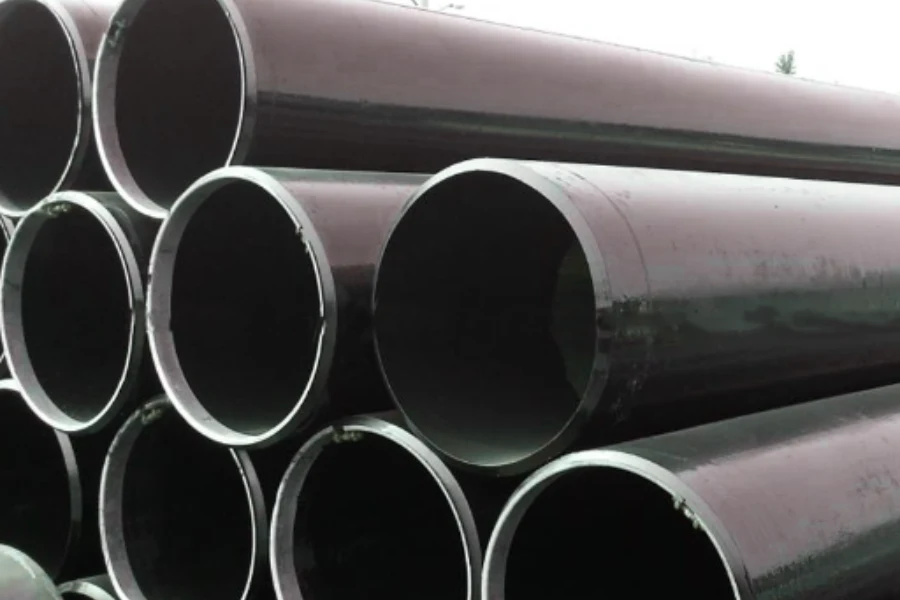
LSAW pipe under high pressure showing stable weld, HSAW pipe pressure stress
2. Prone to Stress Cracking
In real-world scenarios, you’ll notice that HDPE isn’t as tough under constant stress. When it’s under pressure or repeatedly flexed, HDPE can develop stress cracks. This is especially true when exposed to certain chemicals. These cracks might start small, but they can quickly spread, causing failures in your system. For critical components under load, HDPE isn’t always the best choice.
3. UV Degradation Under the Sun
While HDPE handles outdoor elements decently, direct exposure to sunlight can cause it to break down. Over time, UV radiation weakens the polymer, making it more brittle and prone to cracking. Without added UV stabilizers, HDPE’s durability can be compromised after prolonged sun exposure, especially for applications like outdoor furniture or pipes that sit in the sun for years.
4. Chemical Vulnerability
HDPE is a tough cookie against many chemicals, but it does have weak spots. It doesn’t stand up well to oxidizing acids or chlorinated hydrocarbons, which can lead to rapid degradation in certain environments. If your project involves handling these substances, consider materials with better chemical resistance — or ensure your HDPE is reinforced or treated appropriately.
5. Environmental Impact
HDPE is recyclable, but it’s not biodegradable. If it’s not properly recycled, it can stick around in landfills for centuries, adding to the growing pile of plastic waste. In an era where sustainability is a major concern, this can be a dealbreaker for eco-conscious projects. Consider how your waste will be managed — or whether HDPE is the right choice for your long-term goals.
6. Difficult to Bond and Fabricate
Working with HDPE can be a hassle when it comes to bonding. Unlike some other plastics, HDPE has a slick, non-polar surface that resists most conventional adhesives. You’ll need to use specialized welding or fusion techniques to join parts effectively. While this might be standard for many industries, it can add time and cost to production.
Conclusion
HDPE is a reliable material for many projects, but it’s not a one-size-fits-all solution. Its weaknesses in heat resistance, susceptibility to stress cracking, UV degradation, and chemical vulnerability should guide your material choices. If you’re working on a project that requires heavy-duty performance under these conditions, it might be time to explore other options. If your application demands high durability, better UV resistance, and a longer lifespan, look into other polymers or composites.
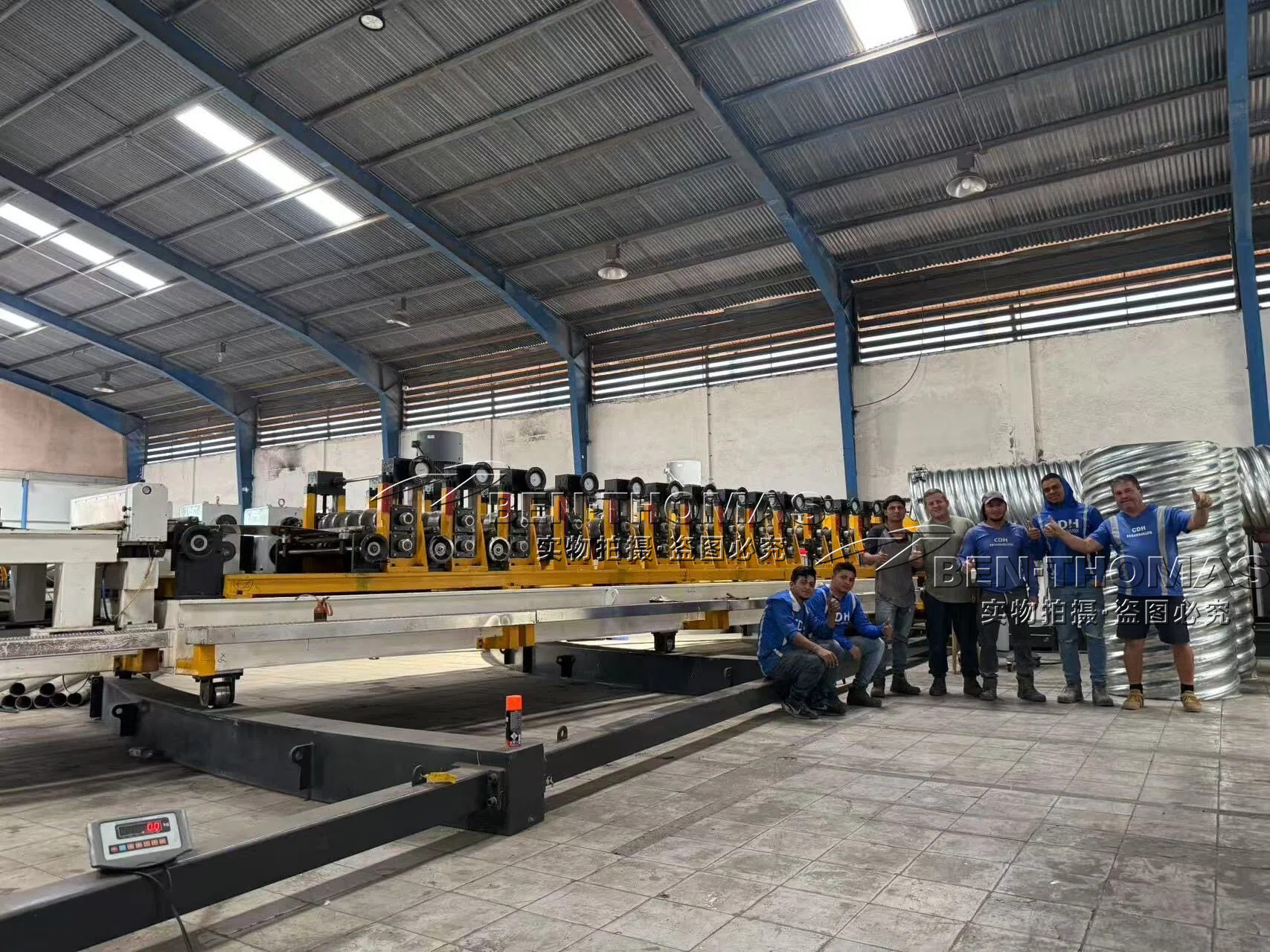
At Ben-Thomas, we understand the importance of selecting the right materials for your infrastructure and production lines. We provide advanced metal culvert pipe production lines, engineered for maximum reliability and long-term performance. Whether you’re in construction, water conservancy, or urban development, choosing the right materials and equipment is crucial to getting the job done right — every time.
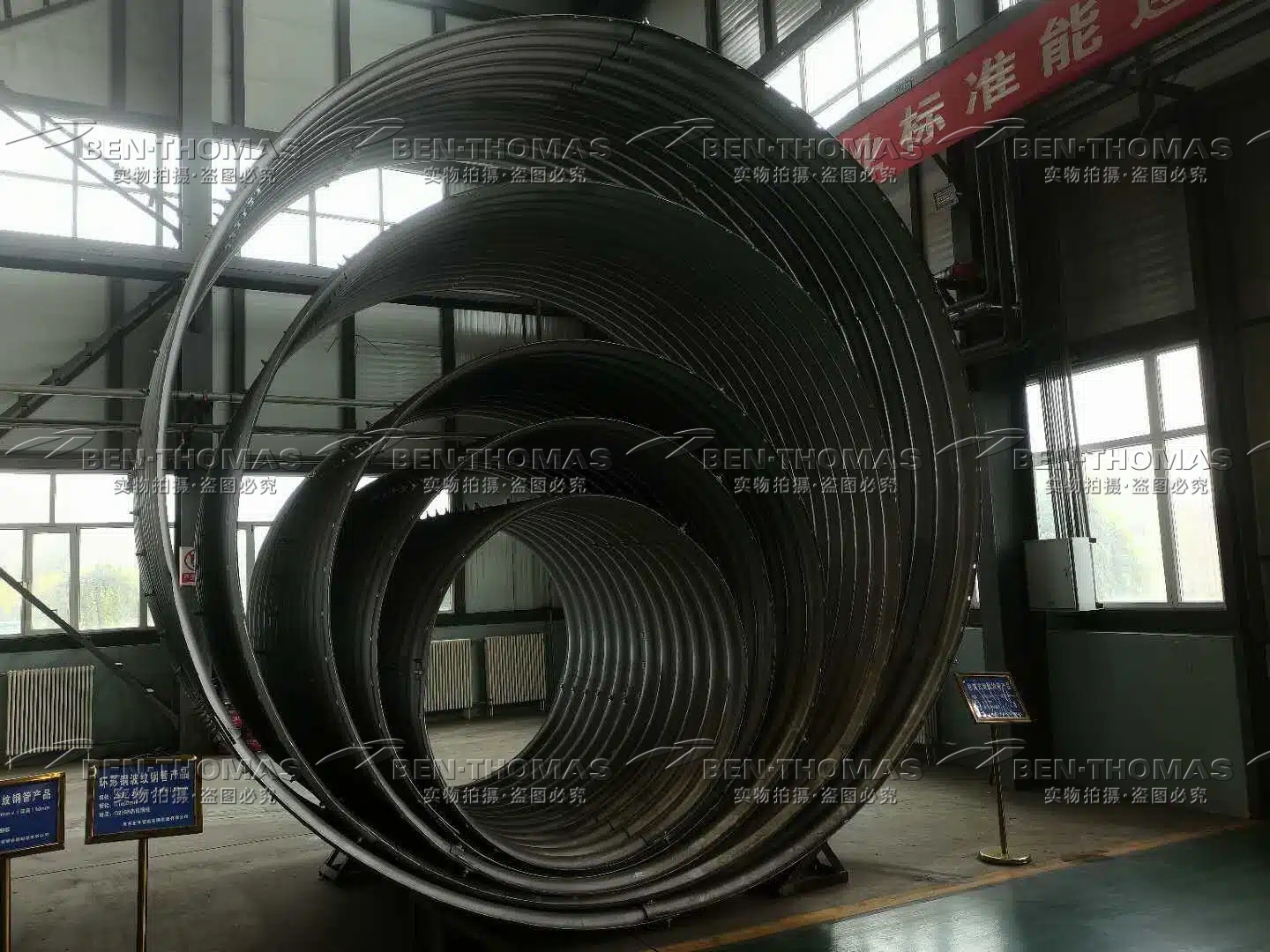
High-quality materials and equipment for infrastructure projects