What is a Culvert Line?
News 2026-02-04
If you’re in infrastructure, drainage, or construction, you know that managing water flow is key to keeping things stable. A culvert line might seem like just another part of the system, but without it, roads, railways, and even utilities would be vulnerable to flooding and wear. So, what exactly is a culvert line? Let’s break it down.
1. What’s a Culvert Line?
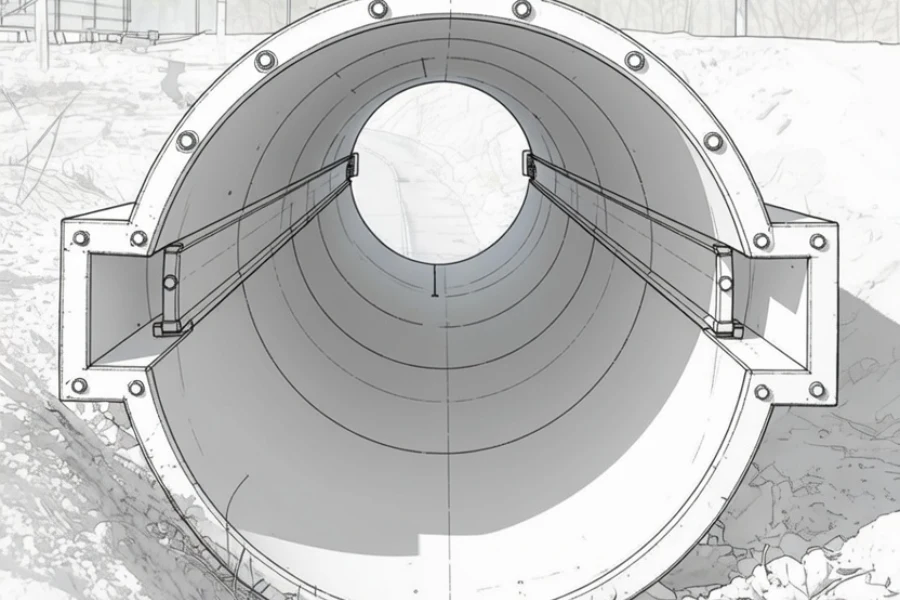
Culvert pipe types, including circular and box culverts, used in infrastructure projects.
A culvert line is a series of culverts — or underground tunnels, pipes, or drains — that form a continuous pathway for water to flow beneath roads, railways, or embankments. Think of it like a water highway, running smoothly beneath structures to keep things dry above.
Why It Matters
Culvert lines are critical for infrastructure. They help prevent water from building up, which could otherwise flood roads or erode foundations. By allowing water to pass safely, they maintain the integrity of what’s above ground.
2. The Anatomy of a Culvert Line
A well-functioning culvert line involves several key components:
a. Culvert Pipes
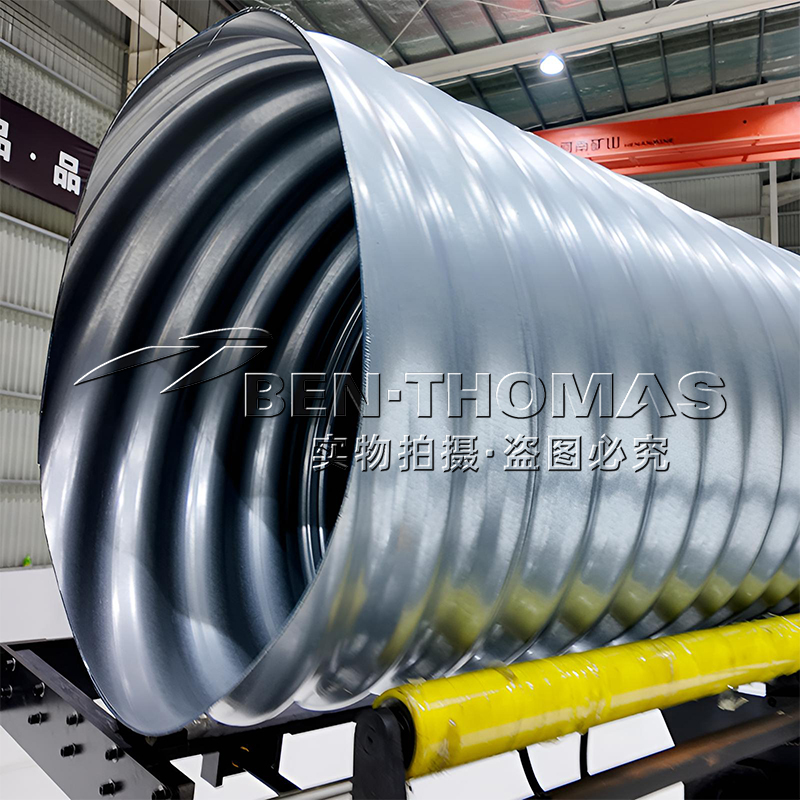
The pipes themselves are the main carriers of water. These can be anything from simple circular pipes to larger box culverts, depending on the volume of water to be handled.
b. Inlets and Outlets
These are where water enters and exits the culvert line. Proper placement and sizing are crucial for efficiency.
c. Bedding and Backfill
To ensure stability and reduce pressure from above, the culvert is surrounded by materials like gravel or concrete. This bedding also prevents movement and ensures that the water flows smoothly through the pipes.
3. Types of Culverts Used in Culvert Lines
The type of culvert used depends on water flow, the surrounding environment, and the load from above. Here are the main types:
Pipe Culverts
The most common type, usually made from concrete, metal, or plastic. These work well for smaller water flows and are easy to install in most environments.
Box Culverts
Rectangular in shape, box culverts are typically used for larger water flows. They can also be used when road clearance is an issue, as they provide a higher capacity without taking up much space.
Arch Culverts
Arch culverts are great for areas with unstable soil or where higher water capacity is needed. Their shape distributes the load evenly, allowing for more efficient water flow.
4. Why Should You Care About Culvert Lines?
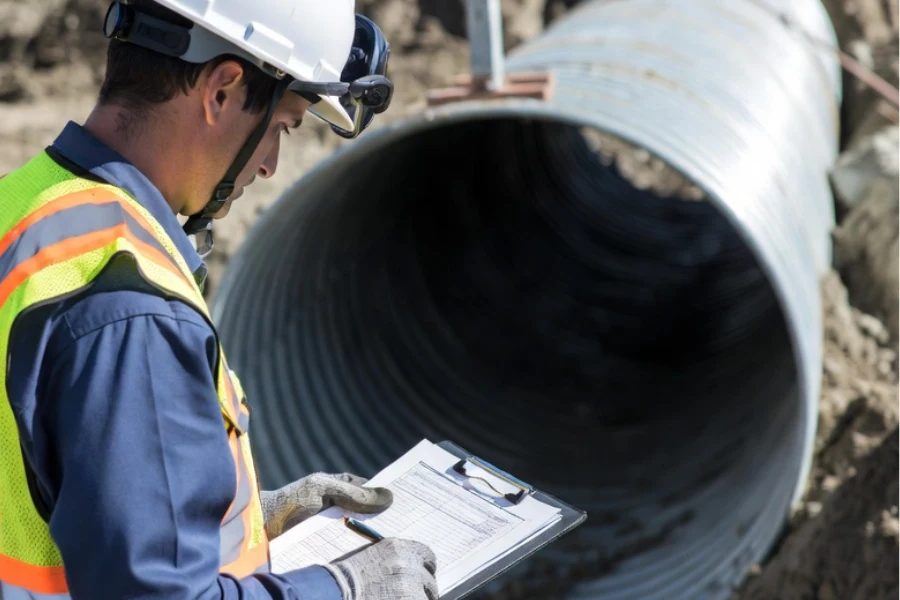
As a technician or engineer, your job isn’t just about putting in pipes and hoping for the best. If you don’t pay attention to the design, water won’t flow right, and you’ll end up with flooding, road damage, or worse.
Key Considerations
-
Capacity: Make sure the culverts can handle peak water flows without blocking or overflowing.
-
Material Choice: For longevity, it’s crucial to pick the right materials. Ben-Thomas, for instance, provides metal culvert pipe production lines built for reliability and durability, offering solutions that meet international standards.
-
Maintenance: Regular checks and cleaning are needed to keep culverts running smoothly. A well-maintained culvert line saves you from expensive repairs later.
5. Real-World Application: Where Culvert Lines Are Used
Culvert lines aren’t just about highways and railways — they’re a part of many industries. Here’s how they show up in the real world:
-
Roads and Railways: Water management is essential to prevent erosion of the roadbed or track foundation. Properly designed culvert lines keep things stable.
-
Water Conservation Projects: Dams, canals, and reservoirs all rely on culverts to manage water flow effectively and prevent flooding.
-
Mining and Urban Infrastructure: Culverts help handle water runoff in construction zones, keeping projects on schedule and minimizing delays.
6. How Ben-Thomas Can Help
When it comes to designing and manufacturing metal culvert pipe production lines, Ben-Thomas is the industry leader. With decades of experience in producing reliable, high-quality solutions, Ben-Thomas’ equipment is trusted across the globe. From local roads to massive international infrastructure projects, we provide complete corrugated metal pipe production lines that meet the highest standards for performance and durability.
Whether you’re working on a small local project or a massive global contract, Ben-Thomas ensures that you have the right tools to get the job done right. Our lines run reliably across five continents, providing you with proven solutions that save time and money.
7. Conclusion: The Importance of a Well-Designed Culvert Line
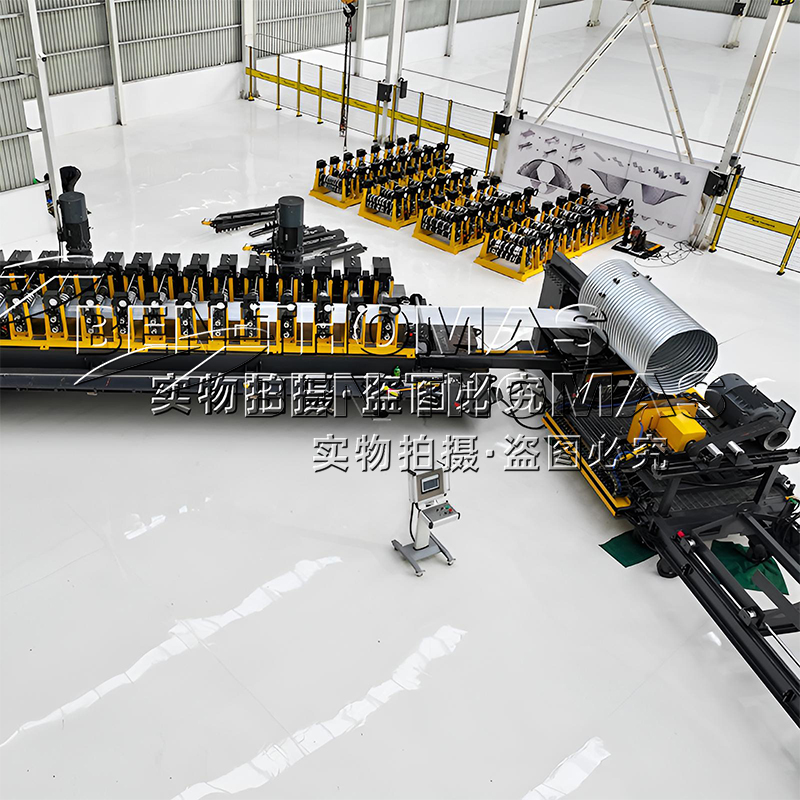
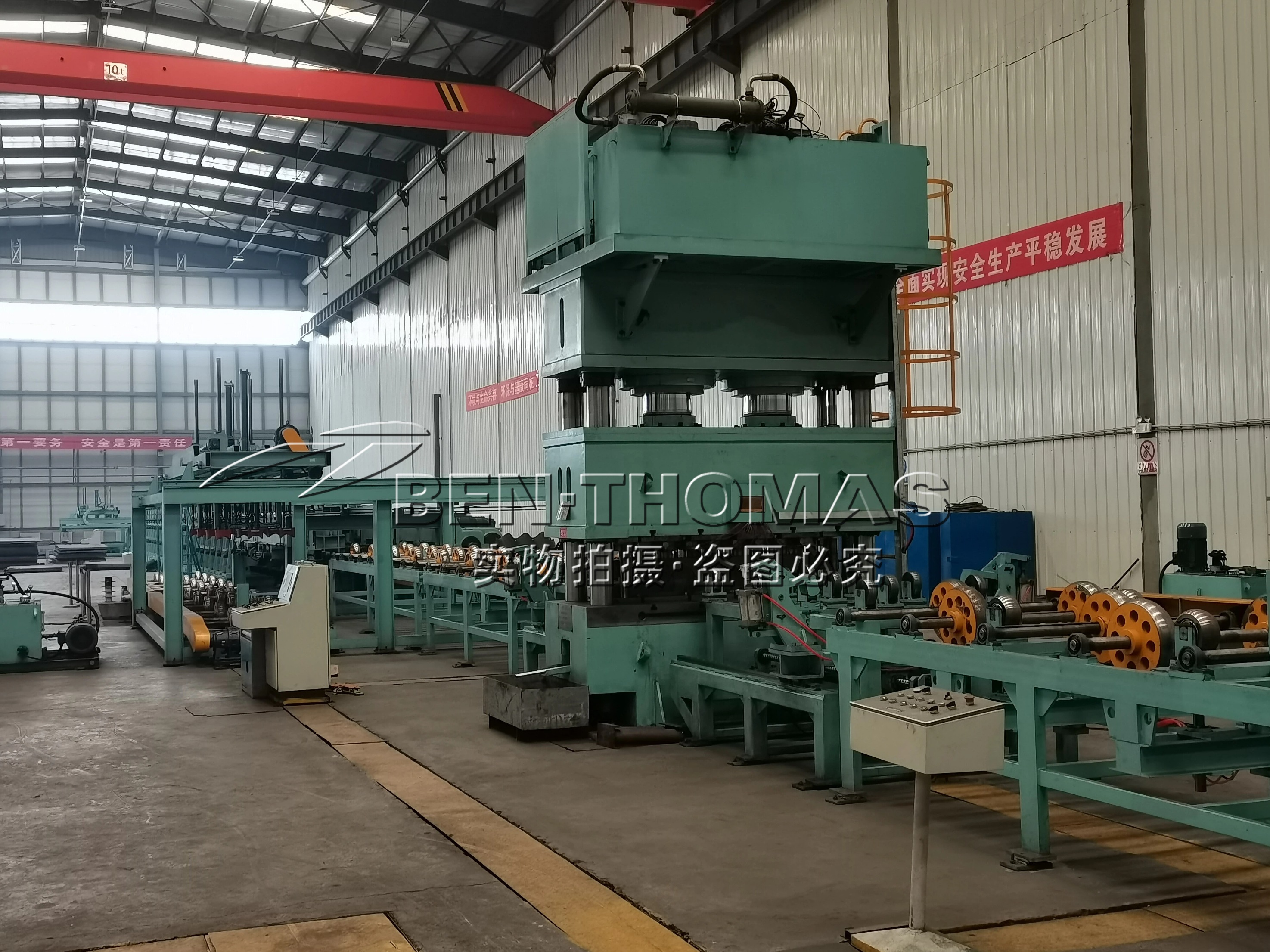
Ben-Thomas’ metal culvert pipe production line providing reliable, durable solutions for infrastructure projects.
In the world of infrastructure, a culvert line might not get the glory, but it’s one of the most critical parts of maintaining stability. When properly designed, a culvert line ensures water flows where it needs to go — under roads, railways, and embankments — without causing problems above. And with the right equipment, like the metal culvert pipe production lines from Ben-Thomas, you can be sure that your project will stand the test of time.
By keeping things practical, focusing on durability and performance, and ensuring water flows smoothly, we can maintain reliable infrastructure that serves communities for years to come. If you’re looking for the most trusted name in the industry, Ben-Thomas has your back.