What Corrugated Steel Means on the Job Site
News 2026-01-19
What Corrugated Steel Is and Why Flat Steel Falls Short
Why Corrugated Steel Starts With Shape, Not Thickness
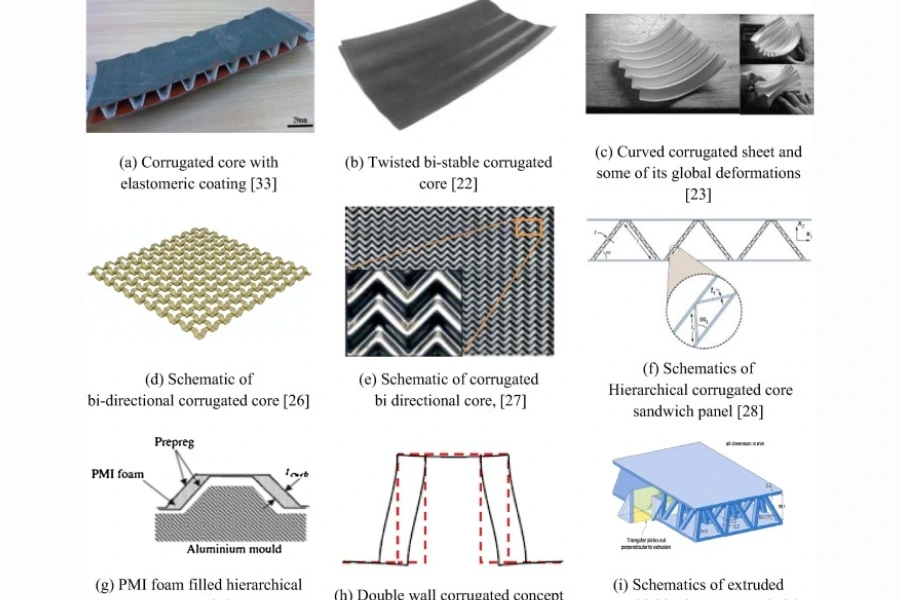
Corrugated steel cross section showing wave-shaped geometry
Flat steel resists load until it bends. Once deformation starts, stiffness decreases rapidly. Corrugated steel solves this by shaping the steel into waves, increasing stiffness through geometry. Thinner steel can handle the load without the extra weight or handling issues of thicker plates.
Corrugated, Roll-Formed, Color-Coated – Common Misunderstandings
1. Corrugated vs. Roll-Formed
Corrugation refers to a wave-shaped profile, while roll forming is the process used to create various profiles. Not all roll-formed shapes are corrugated.
2. Color-Coated Steel vs. Corrugated Steel
Color-coated steel refers to surface treatment. The base sheet can be either flat or corrugated. A color-coated corrugated panel combines both.
Mixing up these terms often leads to incorrect assumptions about strength and service life.
How the Wave Profile Carries Load and Stops Deflection
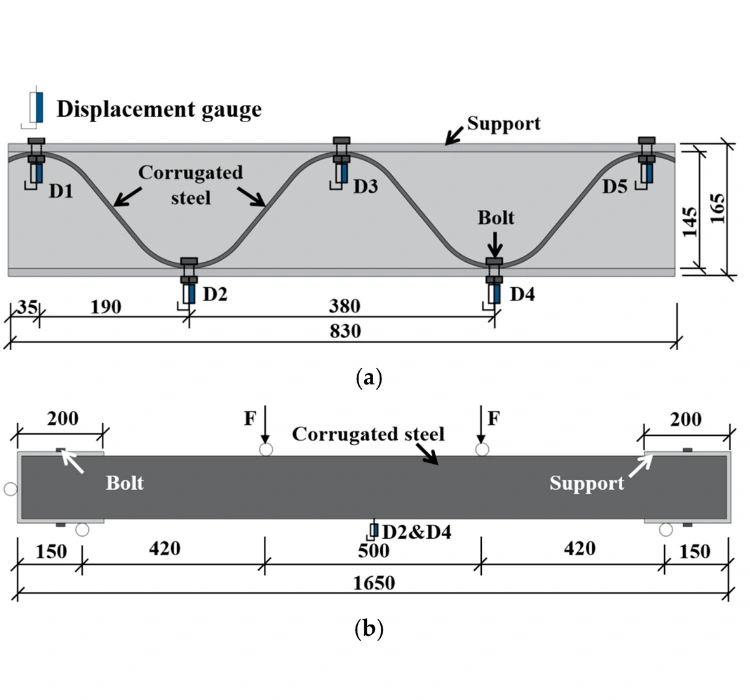
Diagram showing how corrugated steel distributes load and resists bending
Flat steel focuses stress on limited sections, leading to deformation. Corrugated profiles distribute stress more evenly, increasing resistance to bending, compression, and local buckling. In real-world applications, this means less deflection and better performance under load.
Steel Grade, Coatings, and Forming – Where Performance Is Won or Lost
1. Choosing the Right Steel Before You Ever Start Forming
Material choice has long-term effects.
-
Cold-rolled steel works in controlled environments.
-
Galvanized and aluminum-zinc-coated steels handle exposure better.
-
Higher-strength grades like S350GD and S550GD allow thinner sections without losing capacity.
-
Weathering steel performs best where corrosion resistance is critical.
If the base steel is wrong, no coating or geometry will save the system.
2. Coatings That Decide How Long Corrugated Steel Actually Lasts
Most failures begin with coating issues.
-
Zinc and aluminum-zinc provide sacrificial protection.
-
Organic coatings add UV resistance and chemical durability.
-
PVDF systems outlast standard polyester in aggressive environments.
Coating selection should be made early in the design phase, not as an afterthought.
3. Why Forming Accuracy Matters More Than Sheet Thickness
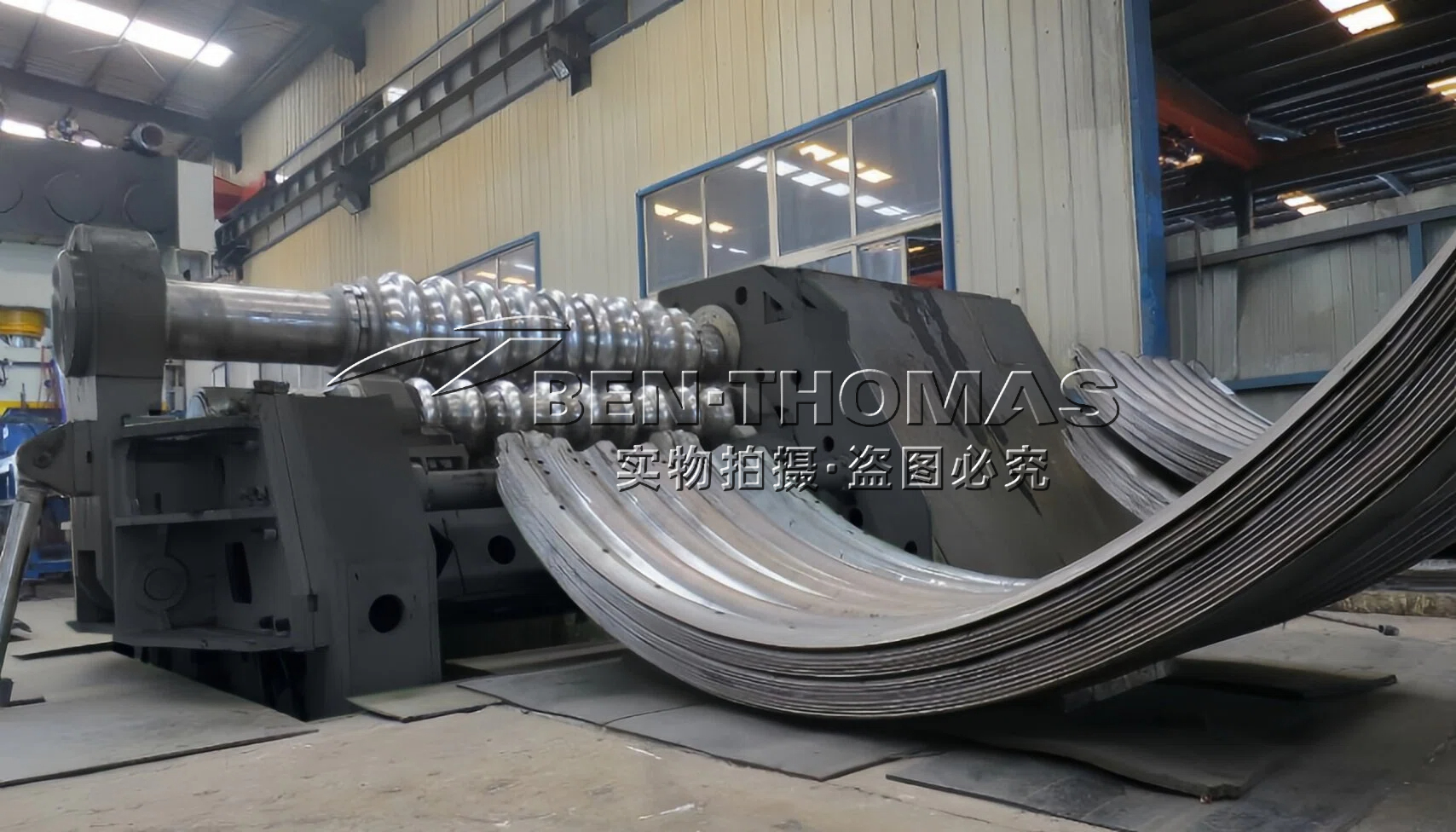
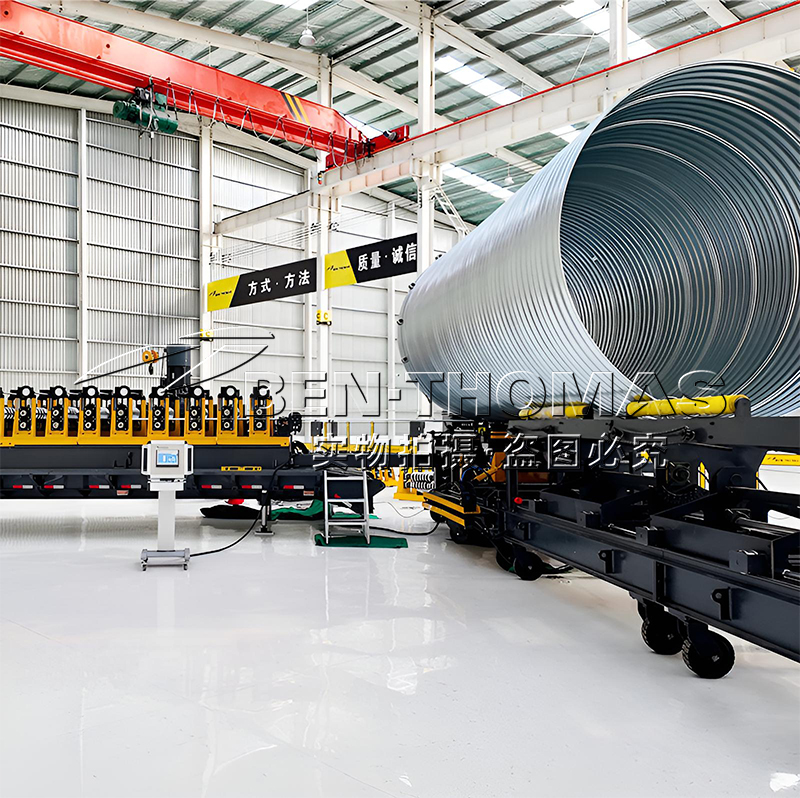
Corrugated steel only works if the profile stays consistent. Poor tooling causes defects like edge waves or bagging, which reduce load capacity. Production lines designed for structural corrugation ensure consistency from start to finish, preventing alignment issues and callbacks.
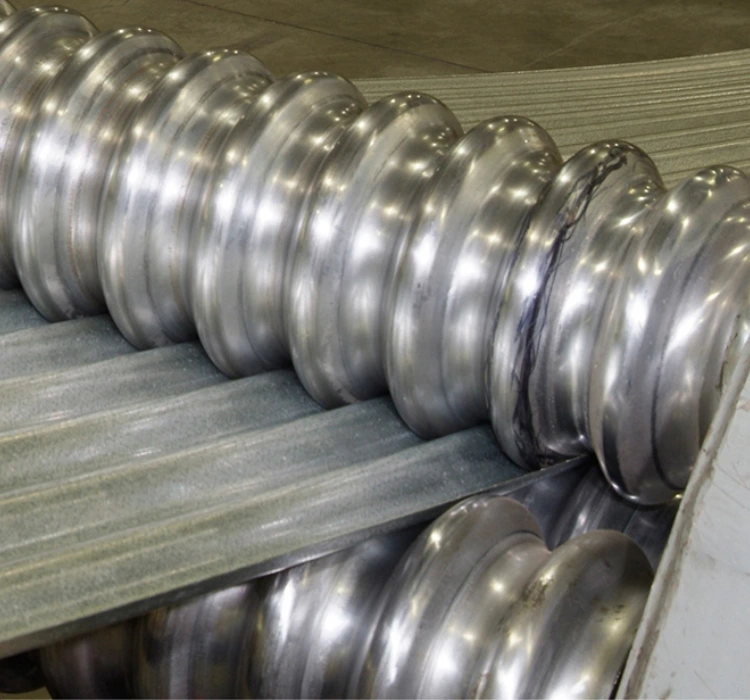
Corrugated steel roll forming line used for industrial production
How to Read Corrugated Steel Specs Without Getting Burned Later
A reliable specification should include:
-
Base material and nominal thickness
-
Coating type and coating weight
-
Profile designation with wave height, pitch, and effective width
-
Applicable standards
Missing details often lead to problems during installation.
Where Corrugated Steel Performs Best in Real Projects
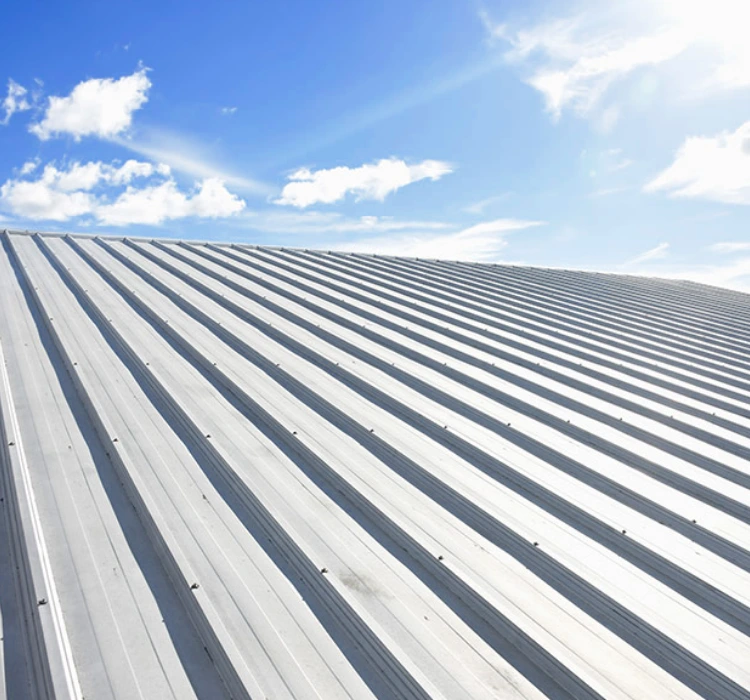
1. Roofing and Wall Systems – Speed, Drainage, and Stiffness
Corrugated steel is widely used for roofing and wall systems because of its stiffness and ability to shed water efficiently. It allows for quick installation, making it the preferred choice for industrial buildings.
2. Culverts, Tunnels, and Guardrails – Where Corrugation Earns Its Keep
Corrugated steel is vital for structures like culverts, tunnels, and guardrails, where controlled flexibility and fast assembly are key. These systems perform well only when forming accuracy and corrosion protection are treated as structural priorities.
3. Corrugated Web Beams and Other Weight-Saving Structures
Corrugated web beams are used to reduce weight while maintaining structural capacity. The design only works if the wave geometry remains consistent across the entir
How to Choose Corrugated Steel Without Creating Future Problems
1. Matching Corrugated
The selection of corrugated steel starts with the environment and the intended use.
-
Corrosion exposure drives coating
-
Structural needs dictate steel grade and thickness.
-
Service life expectations guide coating system choice.
Ignoring any of these factors will lead to increased maintenance and early failure.
2. Why Engineers Keep Coming Back to Corrugated Steel
Corrugated steel’s high strength-to-weight ratio makes it easier to handle and install.
-
Fast installation shortens schedules.
-
Long service life lowers total cost of ownership.
-
Full recyclability supports sustainability goals.
These benefits are only realized if the production quality is consistent.
3. Common Problems – Noise, Leaks, and How Crews Deal With Them
While corrugated steel solves structural problems, i
-
Single-layer panels trans
-
Fastener penetrations must be sealed properly to prevent leaks.
-
Regular inspections are essential to catch coating damage before corrosion spreads.
Most failures arise from overlooked details, not material limitations.
Frequently Asked Questions
Q1: Why does corrugated steel roofing sound loud in rain
Corrugated steel transfers impact noise efficiently, which is why rain can sound loud on uninsulated roofs. Adding insulation layers or using sandwich panels absorbs sound energy and reduces noise significantly. This is best addressed during the design stage, not after installation, to avoid costly retrofits.
Q2: How can you tell if corrugated steel is good quality
Check coating uniformity, verify thickness and profile dimensions, and inspect overall straightness. Quality panels show consistent wave geometry without edge waviness or distortion. Always request material certificates and coating reports. Poor forming and inconsistent profiles usually indicate performance issues before installation even begins.
Q3: How long do corrugated steel culverts last
Corrugated steel culverts typically have a design life of 50 to 100 years. Actual service life depends on corrosion protection, soil conditions, drainage design, and proper treatment of cut edges during installation. Manufacturing quality and correct handling in the field both play critical roles.
Q4: Why is corrugated steel called a flexible structure
Flexibility refers to controlled elastic deformation, not weakness. Corrugated steel can accommodate small movements and soil settlement without cracking or sudden failure. This behavior allows loads to redistribute safely, which is why corrugated steel performs well in culverts, tunnels, and other buried structures.
Q5: What is corrugated steel
Corrugated steel is steel sheet that has been cold-formed into a repeating wave pattern. The corrugated shape increases stiffness and load resistance without adding thickness. This allows thinner steel to perform structural functions efficiently while reducing weight, material usage, and installation effort.
Q6: What is another name for corrugated steel
Corrugated steel is often referred to as corrugated metal or corrugated steel sheet, depending on context. In structural applications, it may also be called corrugated metal plate. While the names vary, they all describe steel formed into a wave-shaped profile to improve strength and rigidity.
Q7: Is corrugated steel stronger than plain steel
Corrugated steel is stronger in bending and stiffness than plain flat steel of the same thickness. The wave-shaped profile increases section modulus and resistance to deflection. While the base material strength remains the same, corrugation allows the steel to carry loads more efficiently.
Q8: Do corrugated metal roofs leak
Corrugated metal roofs do not leak when properly designed and installed. Leaks usually result from poor fastener sealing, incorrect overlaps, or damaged coatings. Using appropriate fasteners, sealing washers, and regular inspections prevents most leakage issues over the roof’s service life.
Why Production Line Quality Decides Field Performance
Corrugated steel doesn’t fail in theory. It fails when geometry drifts, coatings thin out, or forming stability breaks down.
That’s why production experience matters. Companies like Ben-Thomas design corrugated metal pipe production lines around repeatability, profile accuracy, and real-world loading, not just output speed. Equipment running reliably across multiple continents proves itself long after commissioning.
Tools shape steel. Skilled engineers and well-built production lines decide whether it holds up in the field.