What Kind of Pipe Is Used for Culverts?
News 2026-02-05
When it comes to culverts, choosing the right pipe is essential for reliable performance. Whether it’s handling stormwater under a road or draining a railway track, the right material ensures longevity, durability, and smooth operation. This article takes a deep dive into the most commonly used pipe materials for culverts, helping you make an informed decision based on real-world needs and technical requirements.
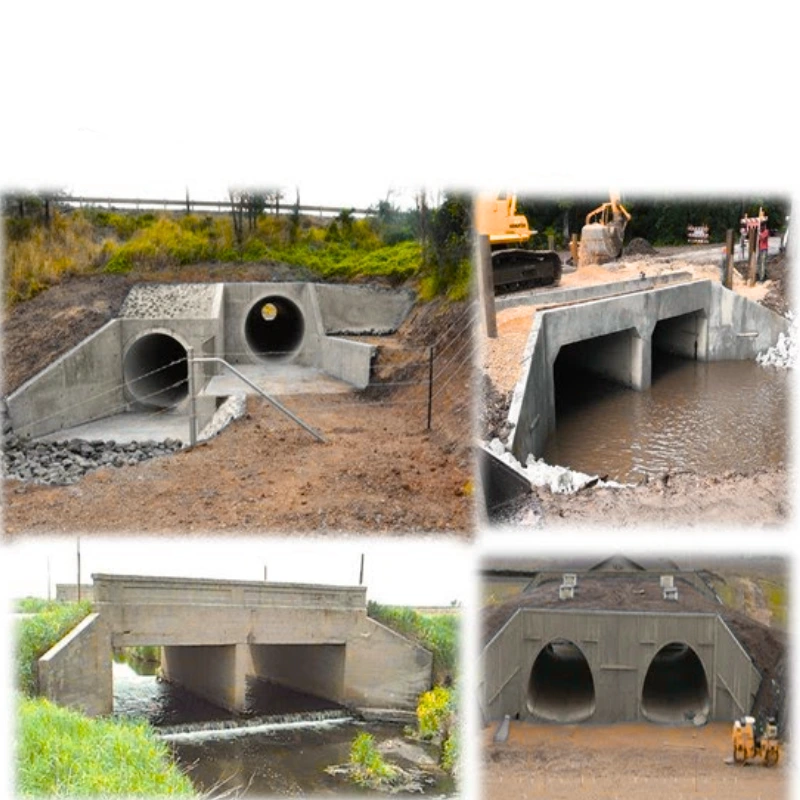
Different types of culverts for drainage projects
1. Concrete Pipe – A Time-Tested Solution
Concrete pipes are a go-to in many culvert applications, especially when dealing with heavy loads and harsh conditions.
Why Concrete Works
-
Strength to handle heavy loads: Concrete pipes are built for load-bearing, which makes them perfect for high-traffic areas or regions where the pipe will be buried deep.
-
Corrosion resistance: Concrete holds up well against water and soil chemicals, making it a solid choice in areas prone to corrosion.
-
Long lifespan: With proper maintenance, concrete pipes can last for decades without needing replacement.
Concrete culverts come in two primary shapes:
-
Round concrete pipes: Great for smaller drainage applications.
-
Box culverts: More suitable for large drainage needs, especially under highways or major roads.
Real-World Tip
When choosing concrete, remember that while it’s tough, it can also be more expensive and difficult to install. It’s best suited for projects where the pipe will be under constant or high loads, like highways.
2. Corrugated Metal Pipe – A Flexible & Cost-Effective Option
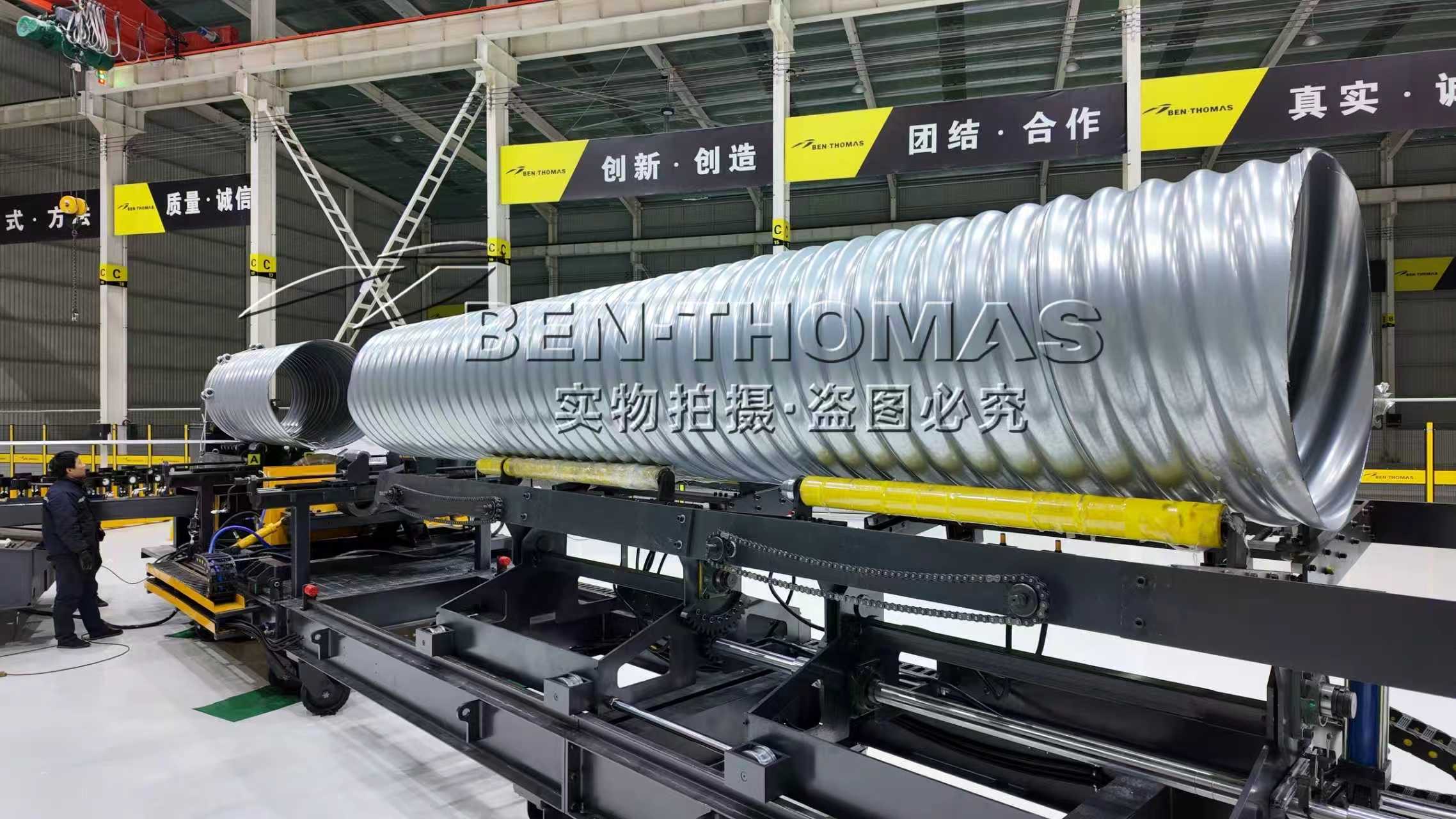
Corrugated metal pipes (CMP) are widely used in culvert projects for their affordability and adaptability.
What Makes CMP a Popular Choice
-
Strength with flexibility: The corrugated design offers excellent strength, while still allowing the pipe to bend slightly without cracking, making it perfect for areas with shifting soils.
-
Fast and cost-effective installation: Lighter than concrete, CMP is easier and faster to install, which reduces labor costs and installation time.
-
Corrosion resistance: Coatings like galvanized or polymer-lining protect CMP from rust, making it a great option in wet or salty environments.
When to Choose CMP
-
For projects that require a quick setup.
-
When soil movement is expected.
-
For medium-duty applications where cost is a consideration.
Tip for Success: CMP pipes may not last as long as concrete in highly corrosive environments. It’s essential to consider the coating and environmental conditions before choosing this option.
3. Plastic Pipe – Lightweight and Resilient
Plastic pipes, especially HDPE (High-Density Polyethylene) and PVC (Polyvinyl Chloride), have become go-to options for culverts in smaller-scale projects or those with less intense load requirements.
Advantages of Plastic Pipes
-
Light and easy to handle: Plastic pipes are significantly lighter than concrete or metal, making them easier to transport and install, which reduces installation time.
-
Resistance to corrosion: Unlike metal, plastic won’t rust or degrade in moist or wet conditions, making it ideal for wet climates.
-
Good flexibility: HDPE pipes can bend and resist cracking, even in areas with shifting or unstable soils.
Common Applications for Plastic Pipes
-
Smaller drainage projects.
-
Low-traffic areas where load-bearing capacity isn’t a significant concern.
-
Regions with non-aggressive soil and water conditions.
Plastic pipes can be cost-effective and easy to install, but they’re not always the best choice for large-scale, high-load culvert projects. They perform best when environmental impact and cost-efficiency are prioritized.
4. Specialized and Hybrid Solutions
In certain situations, specialized materials or hybrid systems are necessary for more demanding culvert applications.
Examples of Specialized Culverts
-
Aluminum Corrugated Pipes: Lightweight and corrosion-resistant, aluminum pipes are an excellent choice in extreme environments.
-
Box Culverts (Concrete or Metal): These larger, pre-fabricated structures can handle much higher water flow volumes and can be used in applications like flood channels or large highway crossings.
-
Structural Plate Systems: These are typically used for very large spans or when round pipes aren’t practical, such as in mining or major infrastructure projects.
Practical Tip: If you’re dealing with large spans or complicated geography, consider using hybrid systems like multi-plate structures or pre-cast box culverts for quicker installation and long-term durability.
How to Choose the Right Pipe for Your Culvert Project
Selecting the best culvert pipe isn’t one-size-fits-all. The right choice will depend on several factors, including load capacity, environmental conditions, and budget.
Consider the Following:
-
Traffic load: Concrete and steel options are best for heavy load-bearing situations.
-
Soil and water chemistry: Corrosive environments may require coated metal or plastic pipes.
-
Budget and installation time: If you need a quick and inexpensive option, plastic or corrugated metal may be the best fit.
-
Long-term durability: Concrete and high-quality metal pipes will outlast plastic in many cases, but at a higher initial cost.
Conclusion: Make Your Choice with Confidence
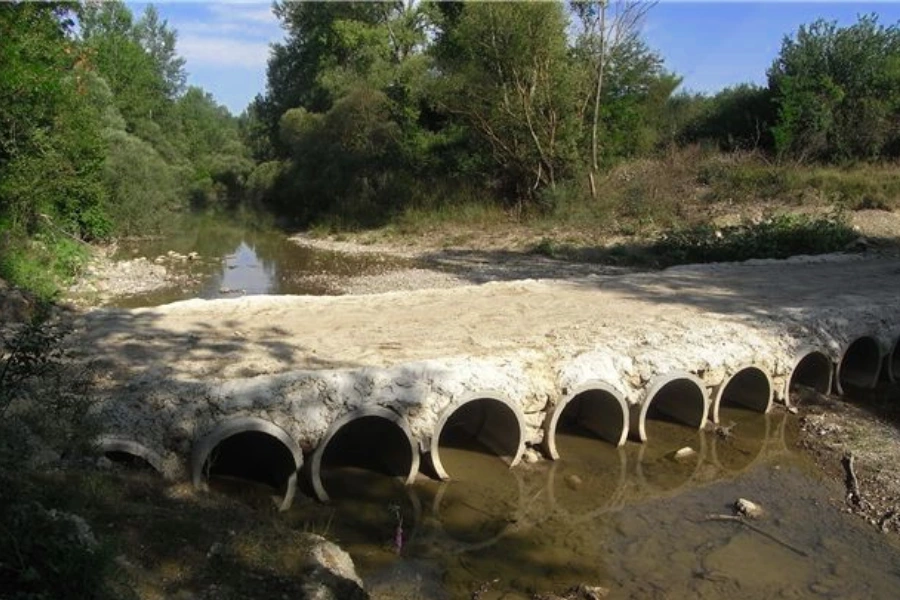
Culvert installed under a highway for water drainage
There’s no one-size-fits-all when it comes to culvert pipes. Each material has its pros and cons, and the best choice for your project depends on several variables like load, budget, and environmental conditions. Whether you’re working with concrete, corrugated metal, or plastic, making an informed choice ensures your culvert will stand the test of time and meet the needs of your infrastructure project.
If you’re in need of high-quality culvert pipes and production lines, Ben-Thomas is a trusted name in the industry, specializing in Metal Culvert Pipe Production Lines. Our equipment, used globally, sets the industry benchmark for quality and reliability. Partner with us to ensure your culvert project is backed by industry-leading solutions and the finest technology available.