How Corrugated Pipe Is Made and Why the Process Matters
News 2026-01-19
Why Corrugated Pipe Solves Underground Failures
Underground pipe failures often appear after backfill settles, repeated traffic loads, and freeze-thaw cycles. Smooth-wall pipes seem adequate in plans, but real soil pressure exposes their weakness.
Corrugated pipe addresses this issue. It carries load, flexes slightly without cracking, and maintains performance long after installation.
For owners and buyers, this matters because pipe geometry affects service life and long-term maintenance costs.
What Makes a Pipe Corrugated and Load-Bearing
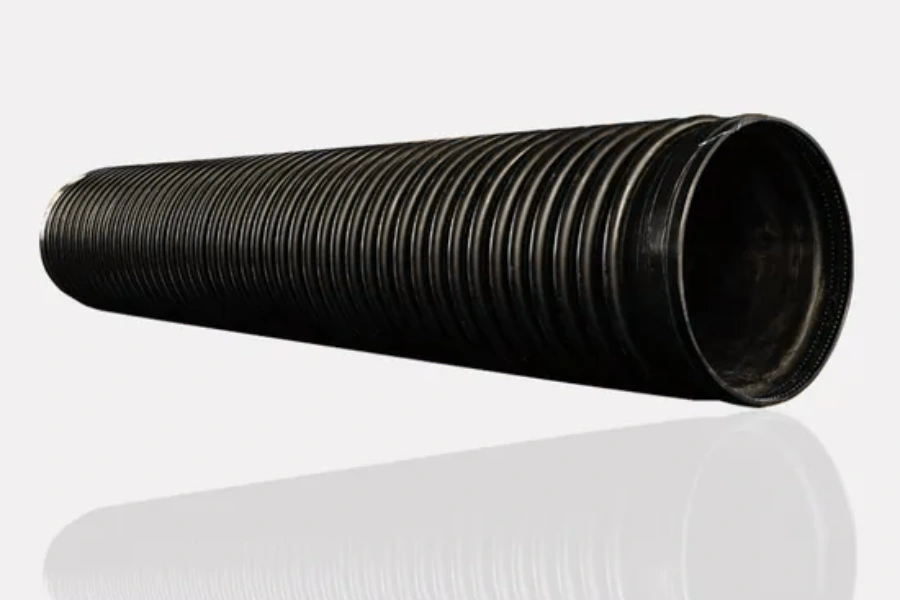
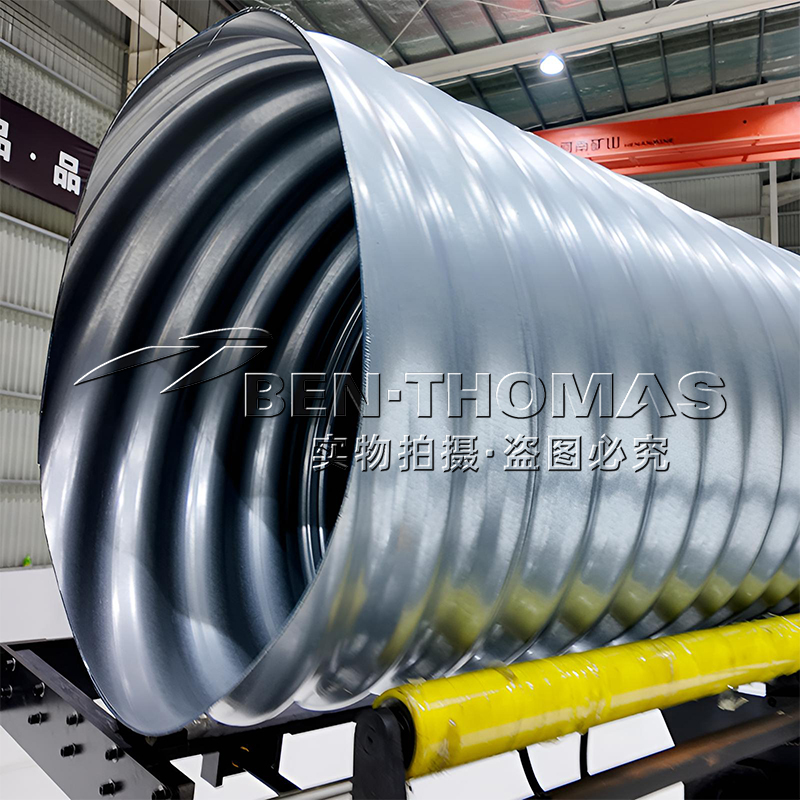
Corrugated steel pipe and plastic corrugated pipe showing ridged structure
1. The Geometry That Handles Soil Pressure
Corrugated pipe has ridges and valleys on its outer surface, which increases the pipe’s moment of inertia. This geometry improves ring stiffness, allowing the pipe to resist external pressure.
In simple terms, the shape handles more load than material thickness alone. That’s why corrugated pipes are widely used in drainage and culverts.
2. Materials Used and Where Each One Makes Sense
Material selection directly impacts both manufacturing and field performance.
-
Plastic corrugated pipe
-
High-density polyethylene (HDPE)
-
Polypropylene (PP)
-
Preferred for corrosion resistance, lighter weight, and ease of installation
-
-
Corrugated steel pipe
-
Galvanized steel
-
Aluminum-zinc alloy-coated steel
-
Stainless steel for harsh conditions
-
Standards like AASHTO and EN evaluate these pipes based on ring stiffness and long-term deformation, not appearance.
How Corrugated Pipe Is Manufactured on Real Production Lines
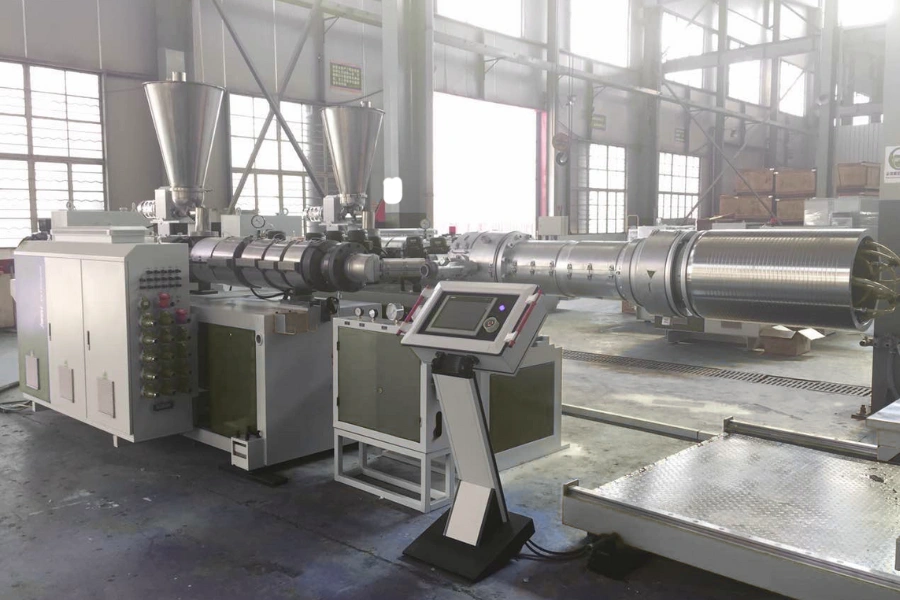
Corrugated pipe production process including extrusion and roll forming
From a buyer’s perspective, small forming deviations can lead to large problems underground. Here’s how it’s made.
1. Raw Material Prep and Why It Determines Final Quality
Most dimensional issues trace back to material prep.
-
Plastic pipe:
-
Resin pellets are dried, consistency verified, and blended with UV stabilizers.
-
-
Corrugated steel:
-
Steel coils are checked for thickness, zinc coating integrity, and surface defects before forming.
-
Consistent material inputs lead to predictable results. Inconsistent materials require corrections downstream and shorten service life.
2. Forming the Pipe Body Without Losing Strength
This stage determines whether the pipe will perform as designed or fail prematurely.
Plastic Corrugated Pipe – Extrusion and Wall Control
Plastic pipes are shaped while molten.
-
Resin melts in the extruder barrel
-
A rotating screw ensures consistent pressure
-
The die forms the pipe
For double-wall corrugated pipe, co-extrusion is used.
-
One extruder forms the smooth inner wall
-
Another extruder forms the corrugated outer wall
-
Both layers fuse before cooling
The smooth inner wall ensures better flow. The corrugated outer wall resists soil load.
Corrugated Steel Pipe – Roll Forming and Structural Shaping
Steel pipes are formed mechanically.
-
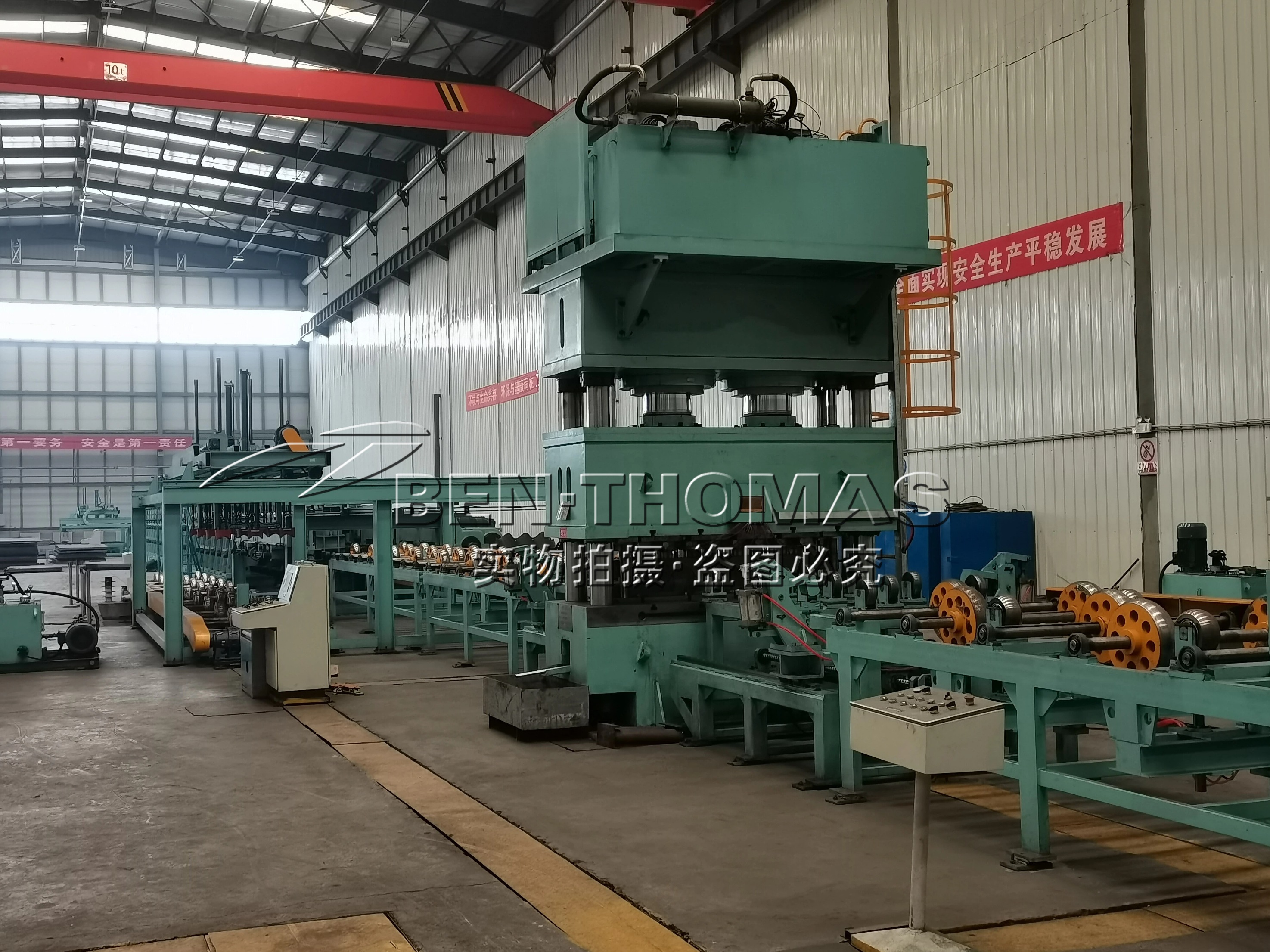
Flat steel sheet passes through rollers that progressively shape corrugations
-
The corrugated strip is wrapped into a pipe, and seams are welded
Forming accuracy and welding stability directly affect the pipe’s performance, especially in large-diameter culverts.
3. Creating Corrugations That Actually Carry Load
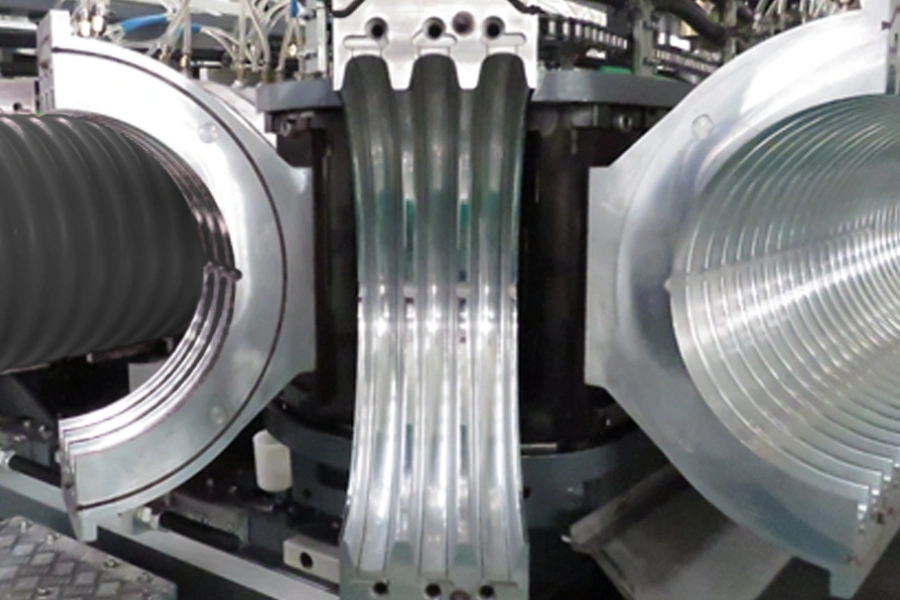
Corrugation forming process showing ridges and valleys shaping pipe strength
Corrugation depth and spacing aren’t just for looks. They are essential for pipe strength.
-
Plastic pipes pass through a corrugator with rotating molds that define ridge geometry
-
Steel pipes use rollers to control the depth and pitch of the corrugations
Inconsistent forming reduces load capacity. Even if pipes meet initial dimensions, poor forming leads to faster deformation under load.
4. Cooling, Calibration, and Dimensional Stability
Cooling is crucial for maintaining the pipe’s shape over time.
-
Plastic pipes go through controlled water cooling
-
Calibration ensures the pipe remains round and the diameter is consistent
-
Uniform cooling reduces internal stress, which can cause deformation later
Pipes that pass initial inspection may still deform over time if cooling isn’t even.
Why Corrugation Outperforms Smooth Pipe Underground
Smooth-wall pipes resist external pressure directly, while corrugated pipes redistribute it.
-
Corrugations increase the pipe’s section stiffness
-
Load is spread across peaks and valleys
-
Controlled flexibility allows the pipe to absorb settlement
That’s why corrugated pipe consistently outperforms rigid systems in underground applications.
Corrugated Pipe Manufacturing at a Glance
-
Material selection
-
Extrusion or roll forming
-
Corrugation shaping
-
Cooling and calibration
-
Cutting and inspection
Each step contributes to the pipe’s durability and reliable field performance.
FAQ
Q: What’s the difference between corrugated steel and plastic pipe?
Corrugated steel pipe is suitable for deep burial, heavy traffic loads, and large spans. Plastic corrugated pipe offers corrosion resistance, lighter weight, and easier installation. The choice depends on load requirements, soil conditions, and design life.
Q: Is corrugated pipe stronger than smooth pipe?
Yes. Corrugation geometry significantly increases the ring stiffness, allowing the pipe to resist external pressure more efficiently while maintaining flexibility underground.
Q: Why choose double-wall corrugated pipe?
Double-wall corrugated pipe combines a smooth inner wall with a corrugated outer wall. The smooth interior improves flow efficiency, while the corrugated exterior provides structural strength, balancing hydraulic performance and load resistance.
Q: How is corrosion handled in corrugated steel pipe?
Corrugated steel pipe typically uses galvanized or aluminum-zinc coatings for corrosion protection. In aggressive environments, additional coatings or stainless steel materials extend service life and maintain structural integrity.
Q: What matters most during installation?
Proper installation is critical to long-term performance. Key factors include preparing stable bedding, using specified backfill materials, compacting in layers, and protecting steel coatings during handling. Poor installation is the main cause of field failures.
Q: What are the disadvantages of corrugated pipe?
Corrugated pipe requires proper bedding and backfill to perform as designed. Poor installation or uneven compaction can reduce load capacity. In some cases, corrugation may increase surface friction, making handling or alignment more difficult during installation.
What Separates Good Corrugated Pipe From Problem Pipe
While many pipes meet nominal specifications, few perform the same over time.
Long-term reliability depends on forming consistency, welding stability, and synchronized production control. Ben-Thomas focuses exclusively on corrugated metal pipe production lines, refining roll forming accuracy, welding systems, and full-line integration to reduce variability that leads to field failures.
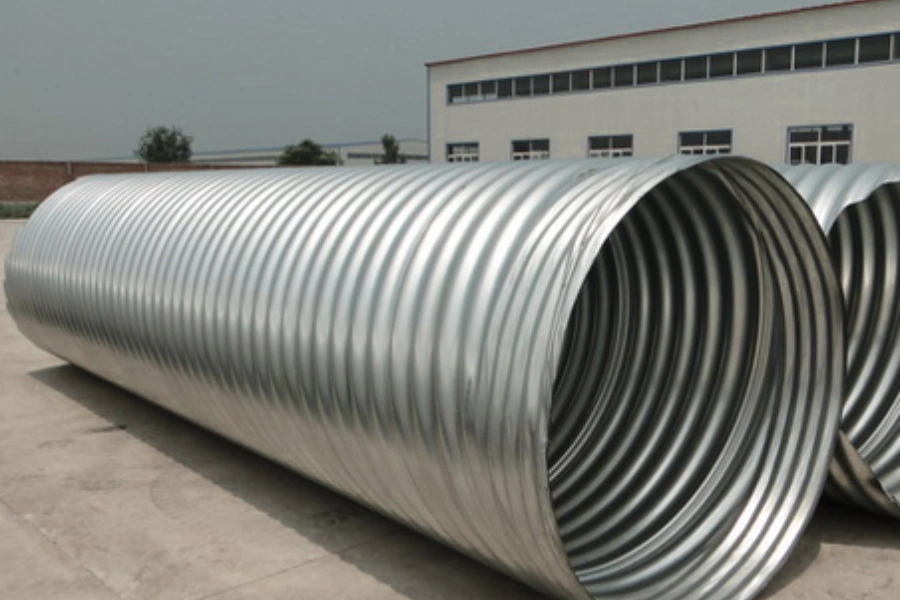
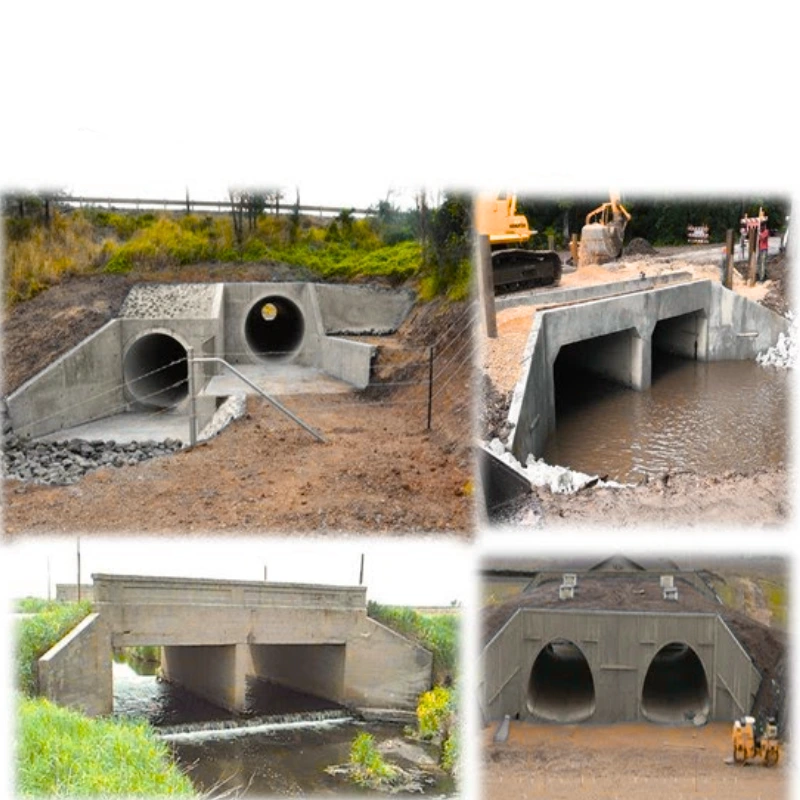
Corrugated steel pipe culvert installed for drainage and infrastructure projects
The Real Takeaway for Engineers and Buyers
Corrugated pipe’s success lies in how geometry, material control, and disciplined manufacturing work together. Machines shape the pipe, but experience keeps it reliable.
Tools assist, but skilled engineers and proven production lines fix the problem.