How Spiral Welded Pipe is Manufactured: A Technician’s Guide
News 2026-02-09
Spiral welded pipes are used in everything from municipal water systems to large‑scale industrial applications. They’re known for their strength, large diameters, and efficient manufacturing process. In this guide, we’ll break down the practical steps in manufacturing these pipes and highlight how each phase impacts the finished product. Think of this as a shop manual for pipe production, where every step matters.
1. Raw Material Inspection: Starting Right
Before a coil of steel even touches the forming machine, it’s checked thoroughly for quality. Steel strips are the backbone of any pipe production, so any imperfections or chemical imbalances could lead to failures down the line.
The coil undergoes a rigorous inspection process where the following is checked:
-
Chemical Composition: Ensuring the steel meets the standards for strength and durability.
-
Surface Defects: No scratches or cracks that could compromise integrity.
-
Mechanical Properties: Confirming that the steel strip has the right balance of strength and flexibility.
Only after passing these inspections does the coil move on to the forming stage. If something’s off, you’re not just looking at a pipe failure — it could mean costly rework and even complete line stoppage.
2. Preparing and Cleaning the Steel Strip
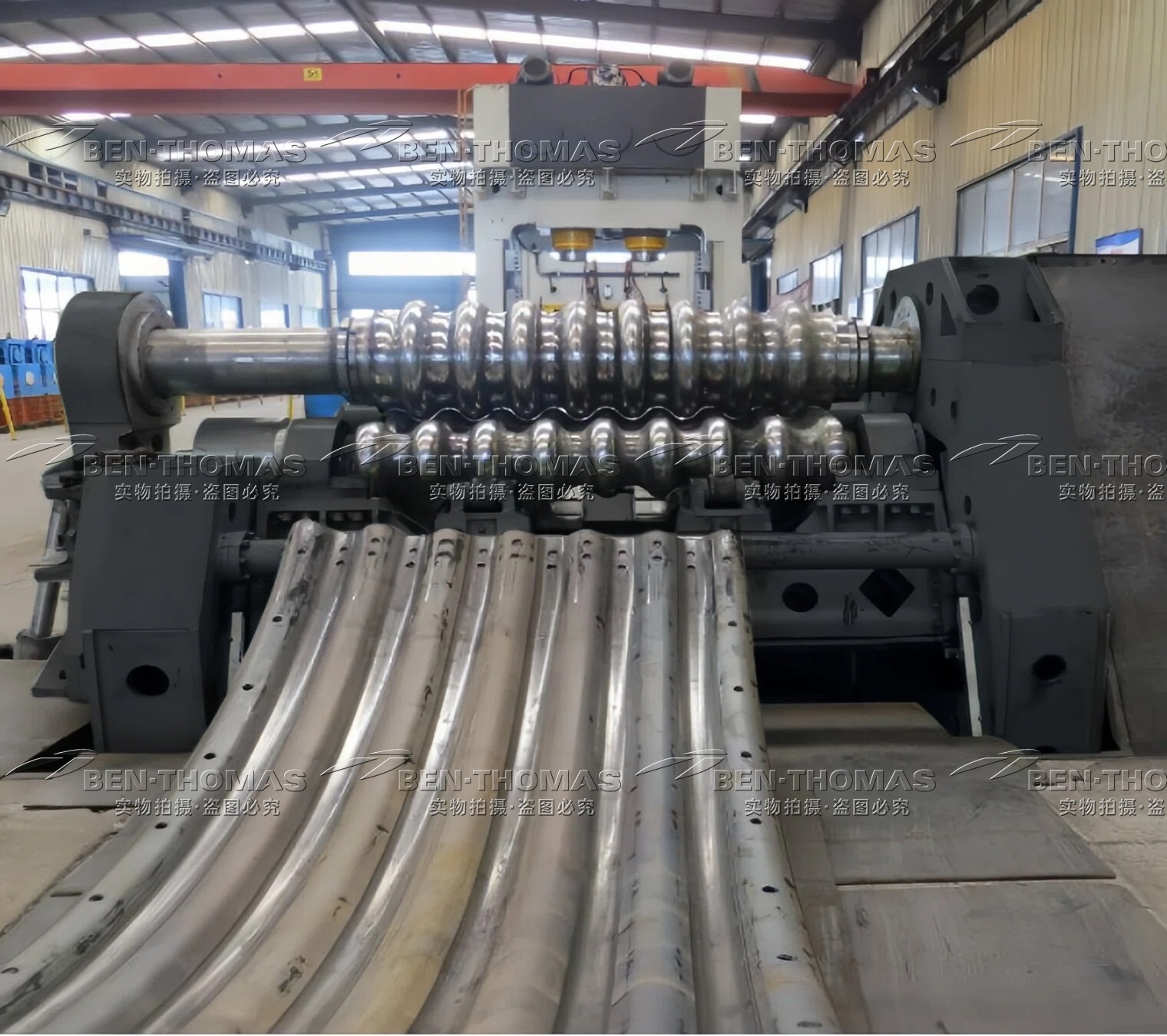
Steel strip quality inspection before spiral welded pipe manufacturing
After the raw material passes inspection, the next step is preparing the steel strip. This part is crucial: if the edges aren’t properly cleaned, your weld quality could be compromised. The edges are:
-
Trimmed and cleaned to remove any contaminants that might affect the weld.
-
Levelled and straightened to ensure smooth feeding into the forming machine.
Imagine trying to weld a dirty piece of metal — it just won’t hold up. Proper preparation is the foundation for strong, reliable pipe manufacturing.
3. Forming the Spiral: Shaping the Pipe
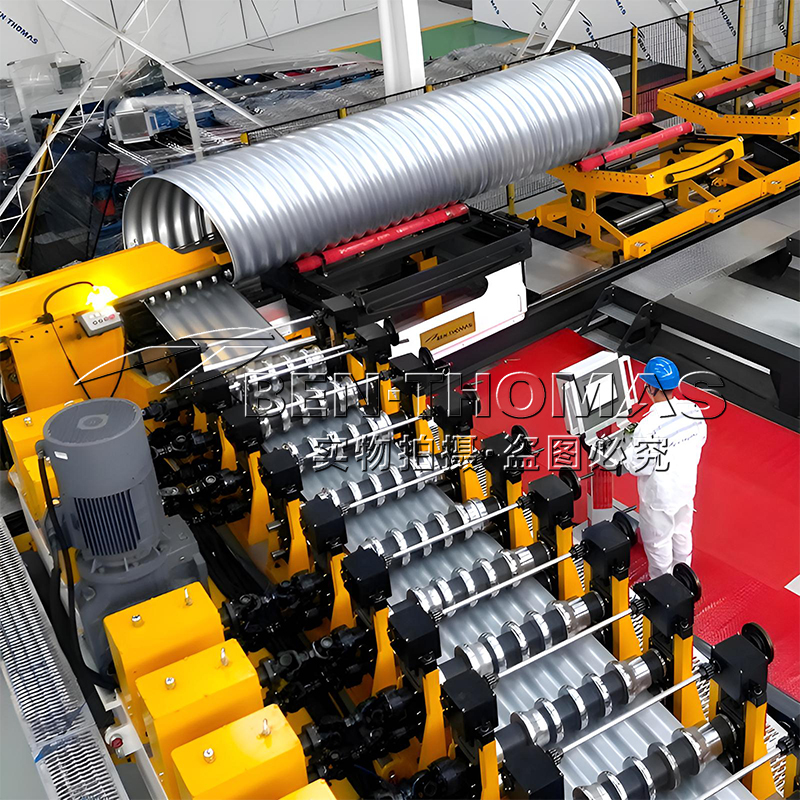
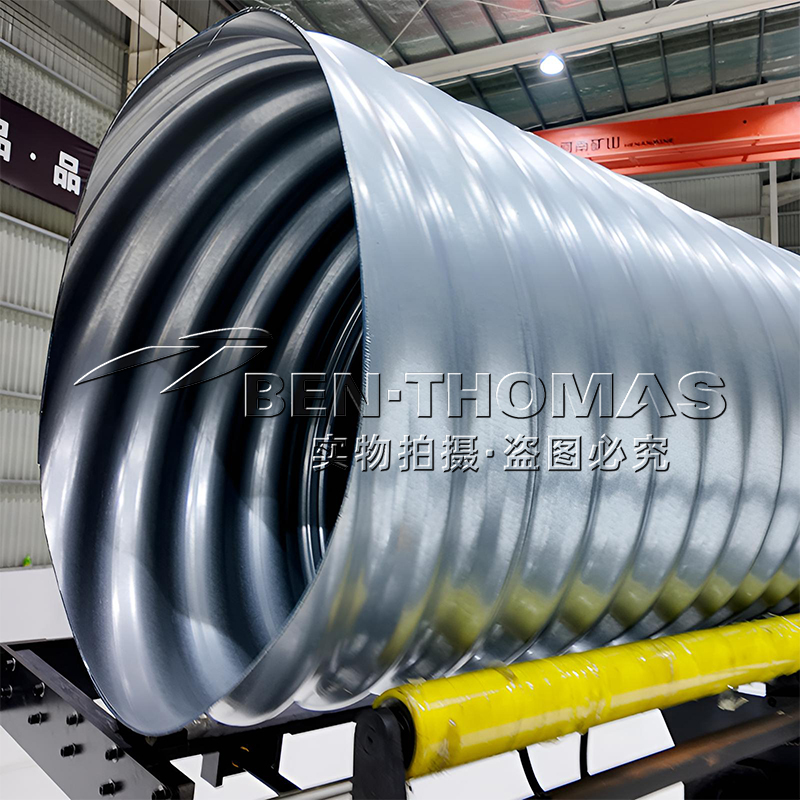
Now, the fun part begins. The steel strip is passed through rollers that shape it into a spiral pattern. It’s like curling a ribbon around a pole, but with steel. The key points here:
-
Forming Process: The strip is bent into a tight spiral, with the angle carefully controlled.
-
Customizable Diameter: The forming process allows for various pipe diameters, from small to extremely large.
This step’s advantage? It allows for efficient production of large‑diameter pipes without wasting material. Plus, you can adjust the form to create pipes for different applications, whether it’s a gas pipeline or a drainage system.
4. Welding the Spiral Seam: The Heart of the Pipe
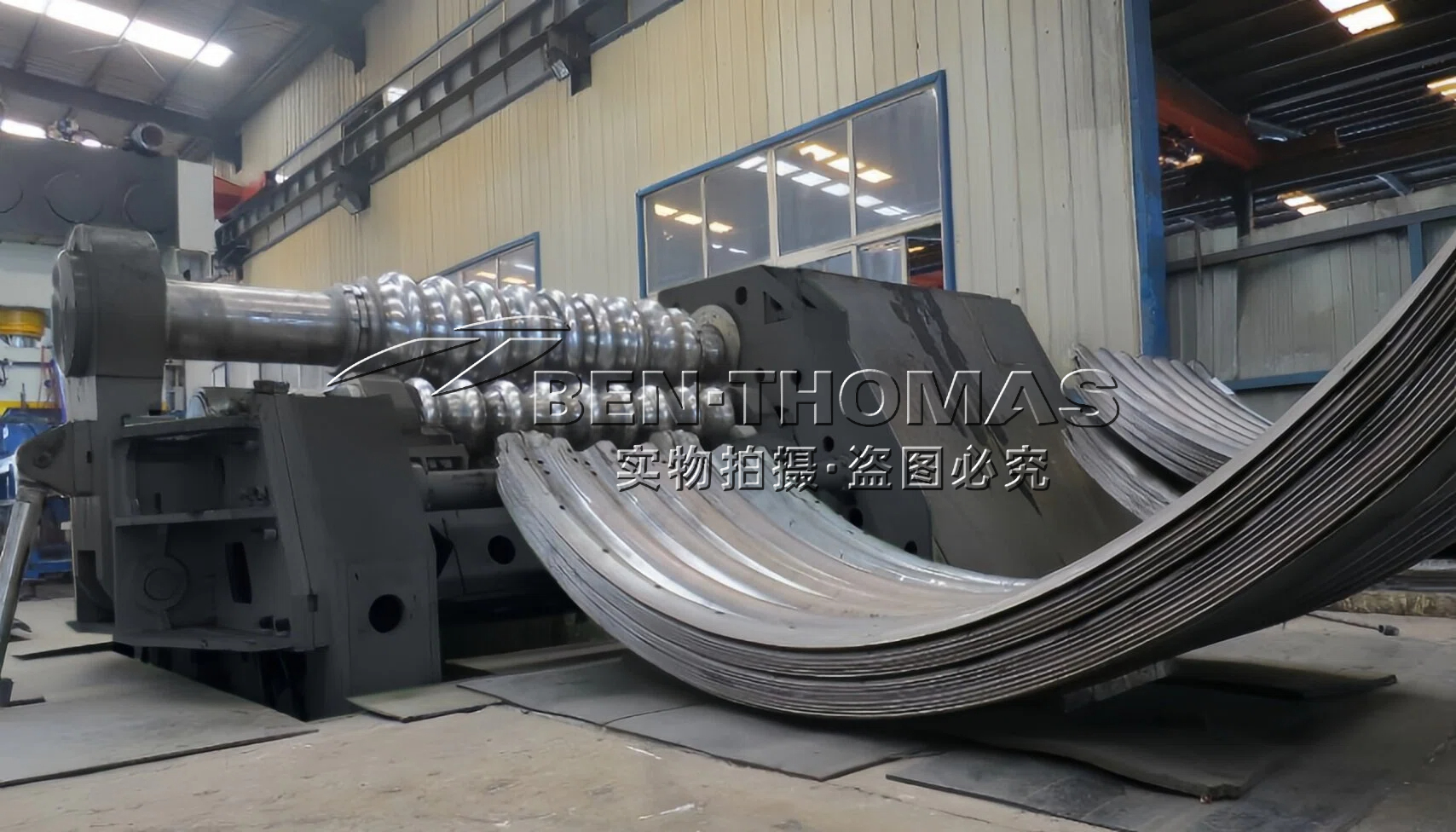
Steel strip forming into spiral shape in the pipe manufacturing process
Once the pipe is shaped, the edges meet to form a seam. This is where Submerged Arc Welding (SAW) comes into play. With SAW, the welding process is as efficient as it is precise:
-
Deep Penetration: This ensures the weld is strong and durable.
-
No Gaps: The continuous seam is solid, preventing leaks and weak points.
Think of it like laying down a perfect bead of welding wire on both edges, ensuring the pipe’s integrity is never compromised. The weld depth is critical for both strength and longevity — too shallow, and the pipe could fail under pressure. Too deep, and you’re wasting material. Precision is key here.
5. Cutting and Beveling: Setting It Up for Installation
After the welding, the continuous pipe is cut to predetermined lengths. These pipes can then be bevelled to ensure they fit perfectly with other sections in the pipeline system. You don’t want an odd-shaped edge slowing down the job when the pipe is being installed.
At this stage, ensuring proper beveling and cutting length is crucial for future connections. Without proper dimensions, installation could face setbacks.
6. Quality Control: Preventing Failures Down the Line
It doesn’t matter how precise the manufacturing process is if the pipe fails during use. So, each pipe undergoes thorough testing:
-
Ultrasonic Testing: To detect internal weld flaws.
-
Hydrostatic Testing: Pressurized water tests ensure the pipe holds up under stress.
-
Dimensional Checks: Pipes must meet exact diameter and thickness specifications.
Quality control isn’t just a checkpoint; it’s where reliability is assured. In the field, failure isn’t an option, especially when dealing with critical infrastructure projects.
7. Coating for Durability: Preparing for the Elements
In many cases, the final step before shipping the pipe is applying a protective coating. The type of coating depends on the environment where the pipe will be used:
-
Anti‑corrosion Coatings: For use in water and harsh environments.
-
External Paints: For aesthetic or additional protection.
A coating can significantly extend the lifespan of the pipe, especially in outdoor or underground environments where rust and other forms of corrosion are constant threats. Coating also reduces maintenance costs over time.
Why Choose Spiral Welded Pipes
Spiral welded pipes offer several practical advantages:
-
Large Diameters, Less Waste: The process allows for creating large‑diameter pipes efficiently, with less material waste compared to traditional straight‑seam welded pipes.
-
Strong Welds: Thanks to the submerged arc welding process, the pipe has robust seams that can handle high pressures.
-
Customizable Sizes: You can create pipes for almost any industrial need, whether it’s for water transmission, structural support, or gas transport.
For a company like Ben-Thomas, which specializes in manufacturing Metal Culvert Pipe Production Lines, this means our technology helps produce reliable, durable spiral welded pipes at scale. We have years of expertise in crafting industry‑leading equipment that powers projects worldwide.
Conclusion: Expertise Matters
Manufacturing spiral welded pipe is a precise process that demands attention to detail at every step. From material selection to final testing, each phase ensures the product is strong, durable, and ready for the toughest jobs.
At Ben-Thomas, we understand the intricacies of pipe production. Our Culvert Pipe Production Lines are designed to ensure quality and reliability from start to finish, helping companies worldwide meet their infrastructure needs. With years of proven expertise, we’re the partner you need for every large‑scale pipe manufacturing project.