What Is Corrugated Manufacturing?
News 2026-02-17
When you see corrugated materials on job sites, from roofing to industrial packaging, it’s not just about looks. The fluted design makes these materials stronger, lighter, and more durable. But how exactly does the manufacturing process turn flat sheets into the robust corrugated panels we rely on?
The Basics of Corrugated Manufacturing
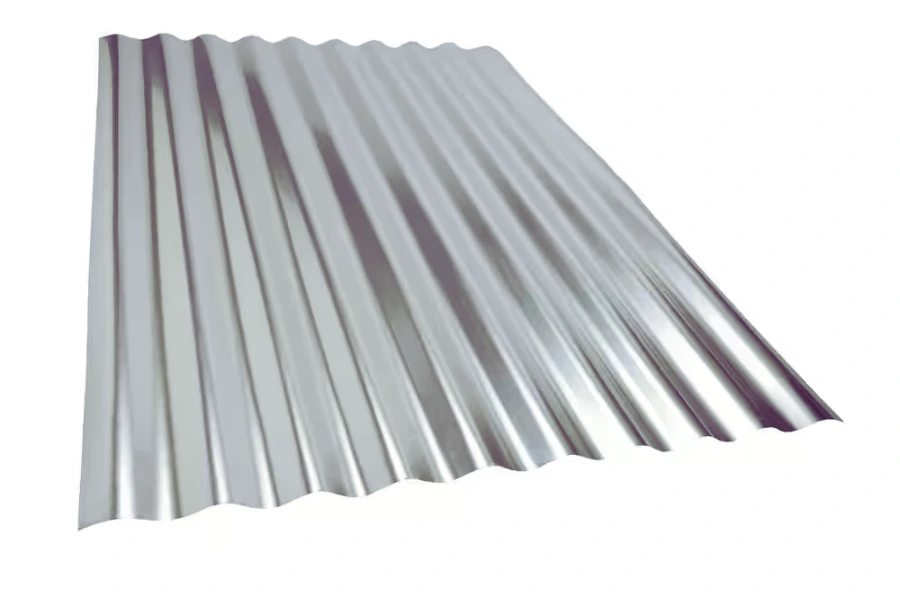
corrugated metal sheets being formed
In simple terms, corrugated manufacturing involves shaping flat materials — typically paper or metal — into a wavy, ridged structure. This change in shape increases the material’s stiffness and strength without needing to add extra thickness.
Whether it’s for packaging, roofing, or industrial applications, corrugated products are designed for one purpose: to offer strength and resilience where flat sheets fall short.
1. The Corrugation Process
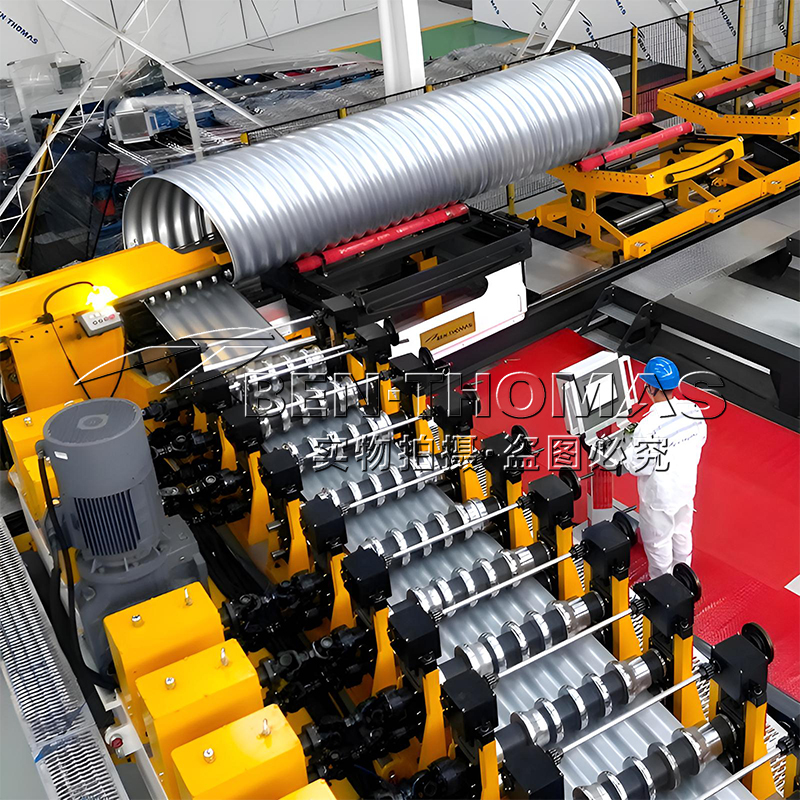
The first step in creating corrugated material is shaping. In paper corrugation, a corrugator machine applies heat and pressure to form the medium, followed by the gluing of flat linerboards. For metals, the process is known as roll forming, where the metal is passed through rollers that create the ridges and valleys. This process doesn’t just make the material stronger; it makes it perform better in real-world applications.
Practical takeaway:
-
The strength of corrugated materials comes from their unique shape, not just thicker material.
-
Whether it’s paper or metal, forming the material this way allows it to resist bending and deformation.
2. Key Materials Used in Manufacturing
For paper products, the most common material is linerboard (the flat sheets) and medium (the fluted part). In metal manufacturing, steel and aluminum are the most common base materials, but these metals are usually coated for added durability.
Practical takeaway:
-
Different materials—paper, steel, or aluminum—are used based on the application, whether it’s packaging or construction.
-
Coatings like galvanization or polymer coatings help ensure the material holds up in various environmental conditions.
3. Efficiency in Production
Corrugated manufacturing is highly efficient, especially when compared to flat sheet manufacturing. Machines are set to produce large amounts of material in short times, reducing labor and operational costs. For metal, a roll forming machine shapes the metal at high speeds, keeping production lines fast and cost-effective.
Practical takeaway:
-
Faster production speeds and fewer materials wasted during the manufacturing process make corrugated materials a cost-effective solution.
-
The process reduces the need for extra material thickness, which can save on material costs and weight.
4. Corrugated Manufacturing in Packaging
A significant area of corrugated manufacturing is in packaging. Corrugated boxes are incredibly strong, lightweight, and versatile, ideal for transporting goods. In fact, the strength-to-weight ratio of corrugated material is often superior to that of solid wood or plastic. When combined with protective coatings or printing for branding, corrugated packaging offers both functional and aesthetic benefits.
Practical takeaway:
-
The strength-to-weight ratio of corrugated materials makes them a go-to choice for packaging and shipping.
-
Their ability to be printed and customized gives businesses flexibility in branding and product presentation.
5. Corrugated Metal in Construction
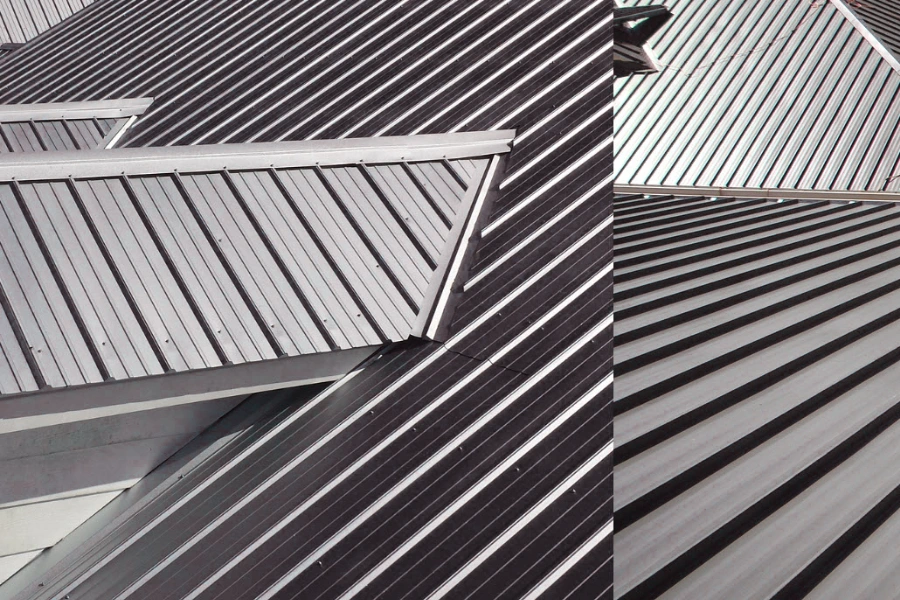
corrugated metal roofing installation on construction site
Corrugated metal is commonly used in construction for roofing and siding. The manufacturing process for metal involves a similar roll forming process, which shapes steel or aluminum into corrugated panels. These materials offer significant benefits like resistance to extreme weather, low maintenance, and long-lasting durability.
Practical takeaway:
-
In construction, corrugated metal panels provide increased strength without the need for thicker materials, making them a solid choice for roofing, siding, and even temporary structures.
6. How Ben-Thomas Contributes to Corrugated Manufacturing
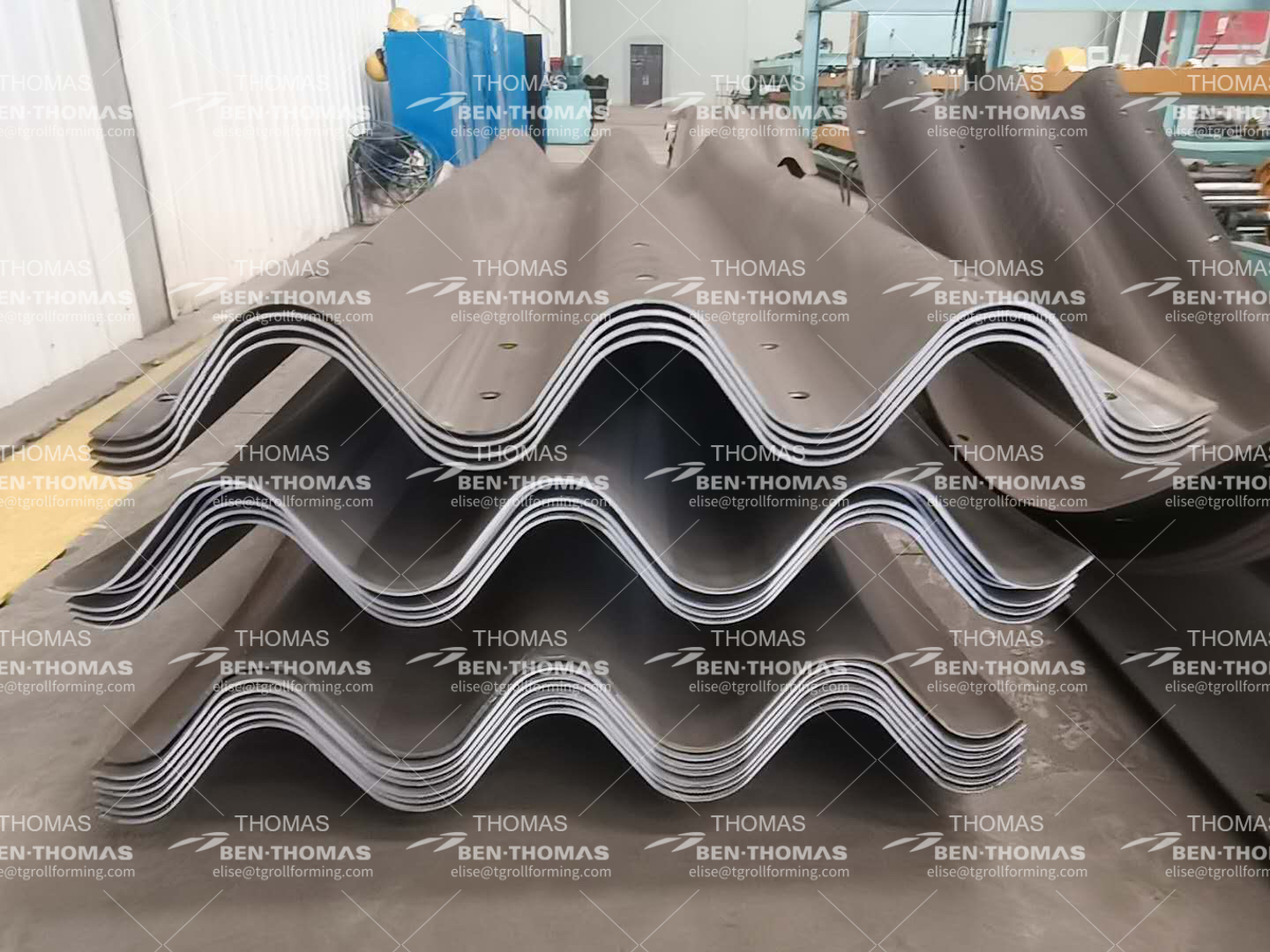
For projects requiring corrugated metal pipes (CMP) or culvert pipe production, Ben-Thomas offers state-of-the-art manufacturing lines designed to create consistent, high-quality corrugated metal products. As an industry leader, Ben-Thomas delivers top-notch corrugated metal pipe production lines and complete assembly line solutions that meet the highest international standards.
Practical takeaway:
-
Ben-Thomas provides manufacturing equipment that ensures precision and consistency in creating corrugated metal pipes.
-
With decades of experience and hundreds of successful cases worldwide, Ben-Thomas helps businesses optimize manufacturing processes with high-quality production lines.